Spring Birdwatching in Missouri: A Family Guide
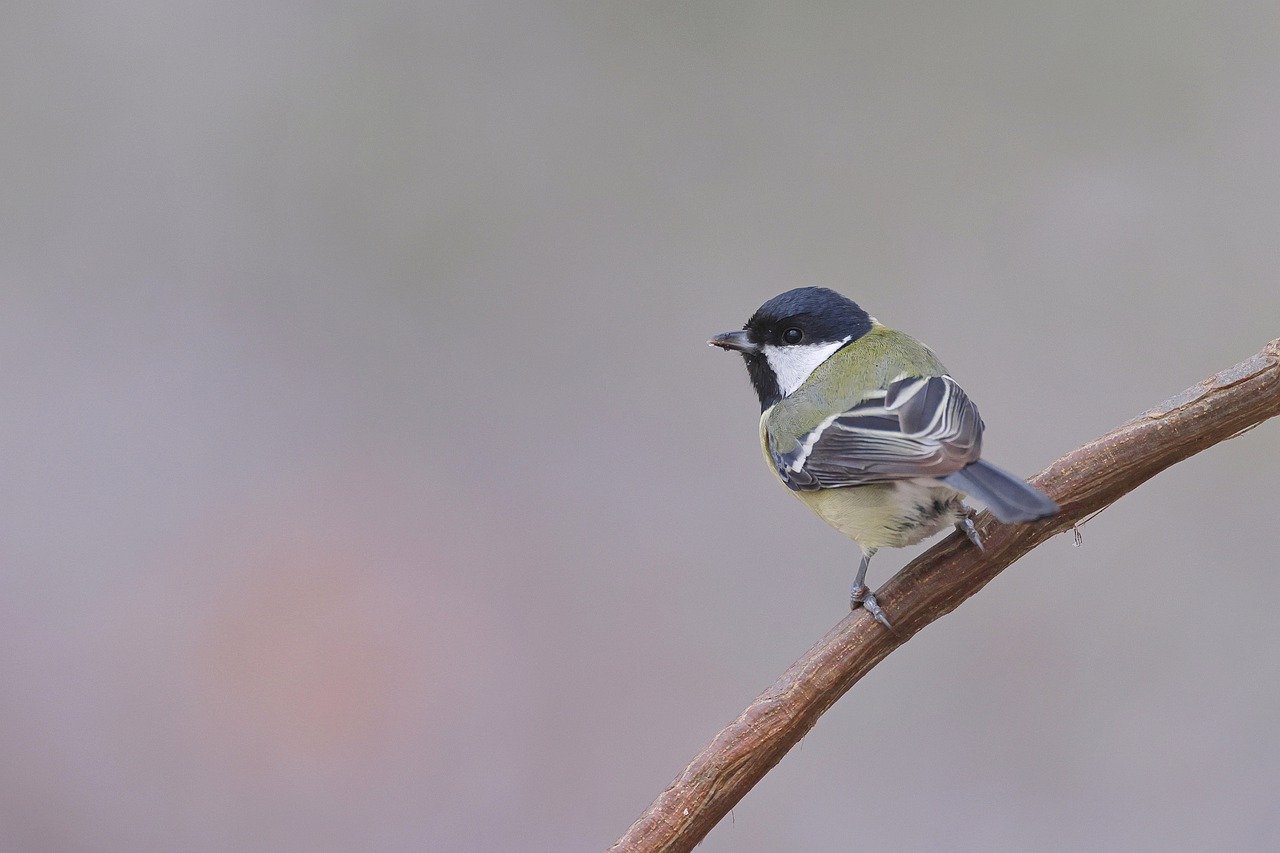
Spring is a wonderful time to go birdwatching in Missouri. Missouri is home to a diverse range of bird species, including waterfowl, songbirds, raptors, and more. Spring birdwatching in Missouri is a great way to spend time outdoors with your family, and it can be a fun and educational activity for kids.

Missouri has many excellent birdwatching locations, including state parks, conservation areas, and wildlife refuges. The Great Missouri Birding Trail is a popular resource for birdwatchers, with six regions that feature excellent birdwatching spots. Many of these stops are free to access and are on public land, making them accessible to everyone. Additionally, many sites in the Kansas City and St. Louis metro areas are accessible by public transit, making it easy to get out and enjoy nature without a car.
Getting Started with Birdwatching
Spring is a great time to start birdwatching in Missouri, and it’s a fun activity for the whole family. Here are some tips to get started.
Essential Gear for Birdwatching
The most important piece of gear for birdwatching is a good pair of binoculars. Look for binoculars with a magnification of 7x or 8x and an objective lens diameter of 35mm or 42mm. These will provide a good balance of magnification and light-gathering ability. A field guide is also essential for identifying birds. There are many field guides available, so choose one that is specific to Missouri birds.
Understanding Bird Habitats
Different birds live in different habitats, so it’s important to know where to look for them. Forests are home to many species of songbirds, while lakes and wetlands are home to waterfowl and wading birds. Look for birds in areas where there is a lot of vegetation, as this is where they find food and shelter.
It’s also important to understand the different types of habitats within each area. For example, wetlands can be divided into marshes, swamps, and bogs, and each of these habitats is home to different types of birds. By understanding the different habitats and the birds that live in them, you’ll be able to find more birds and have a better birdwatching experience.
In summary, getting started with birdwatching requires a good pair of binoculars, a field guide, and an understanding of bird habitats. By following these tips, you’ll be well on your way to enjoying the wonderful world of birdwatching in Missouri.
Best Birdwatching Locations in Missouri

Missouri is a birdwatching paradise with a variety of habitats that attract both migratory and resident birds. Here are some of the best birdwatching locations in Missouri:
St. Louis and Surrounding Areas
St. Louis is a great place for birdwatching with many parks, forests, and conservation areas to explore. The Riverlands Migratory Bird Sanctuary is a must-visit destination for birdwatchers. It is located at the confluence of the Missouri and Mississippi Rivers and is home to over 300 species of birds. Another great spot is the August A. Busch Memorial Conservation Area which has a variety of habitats including wetlands, forests, and grasslands that attract a wide range of bird species.
Columbia and Central Missouri
Central Missouri is another great area for birdwatching. The Eagle Bluffs Conservation Area is a popular destination for birdwatchers. It is located on the Missouri River floodplain and has a variety of habitats including wetlands, forests, and grasslands that attract a wide range of bird species. Another great spot is the Mingo National Wildlife Refuge which is home to over 200 species of birds including bald eagles, great blue herons, and wood ducks.
Kansas City and Western Regions
The western regions of Missouri are also great for birdwatching. The Loess Bluffs National Wildlife Refuge is a must-visit destination for birdwatchers. It is located on the Missouri River floodplain and has a variety of habitats including wetlands, forests, and grasslands that attract a wide range of bird species. Another great spot is the Great Missouri Birding Trail which is a partnership between the Missouri Bird Conservation Foundation and MDC. The Trail was created to help birders find the “best of the best” places to bird in the state. It is divided into six regions including Kansas City and St. Louis.
Overall, Missouri is a great destination for birdwatching with a variety of habitats and locations to explore. Whether you are a beginner or an experienced birdwatcher, there is something for everyone in Missouri.
Bird Species and Identification
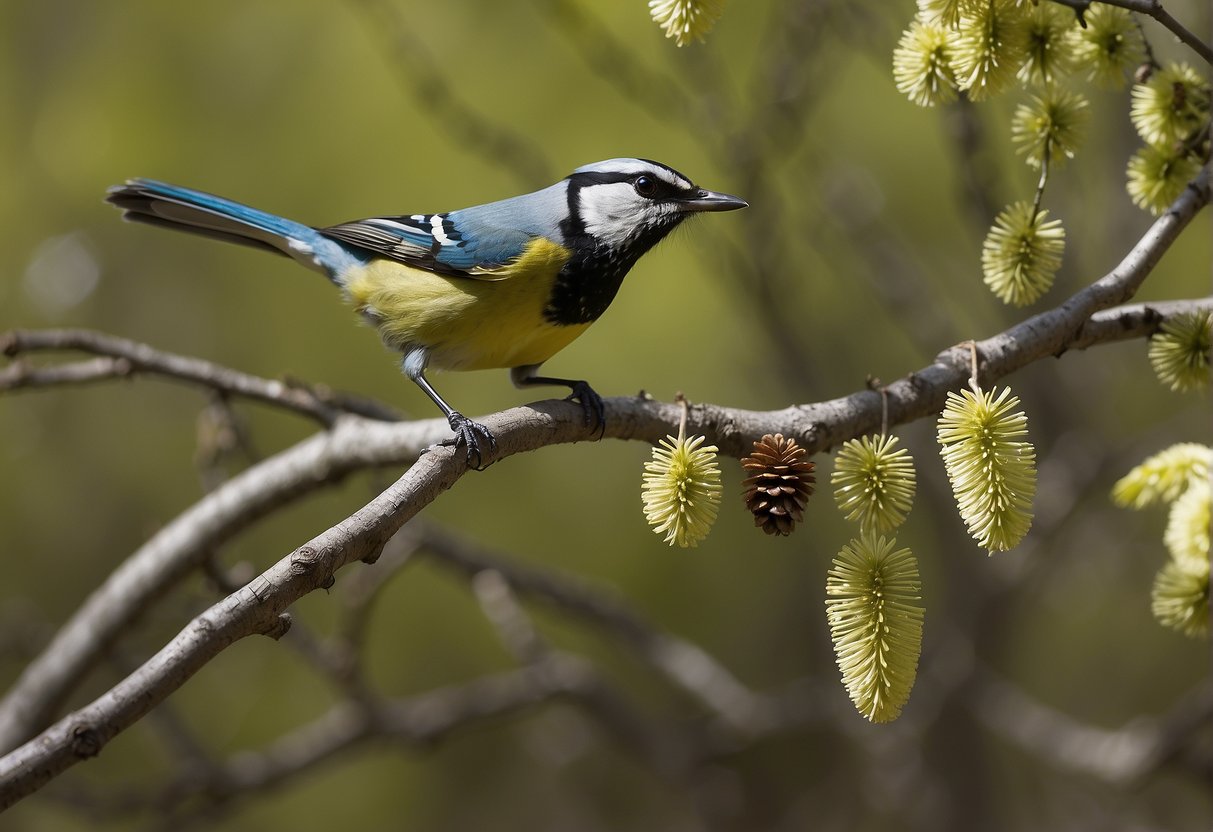
Spring birdwatching in Missouri is an exciting activity for families who want to explore the great outdoors. With over 400 bird species recorded in Missouri, birdwatchers have a diverse range of species to observe and identify. This section provides an overview of the common backyard birds, migratory birds and flyways, and rare and seasonal sightings that families can expect to see during their birdwatching adventures.
Common Backyard Birds
Many bird species are commonly found in Missouri’s backyards, including the White-throated Sparrow, Carolina Wren, and Downy Woodpecker. These birds are easily recognizable with their unique markings and calls, making them perfect for beginners to practice bird identification skills. Families can listen to bird songs and observe their behaviors to help identify these common backyard birds.
Migratory Birds and Flyways
Missouri is located on the Central Flyway, a major migration route for birds traveling from Canada to Mexico. During the spring, families can observe a variety of migratory birds, including Swans, Eagles, Geese, and Ducks. The Bald Eagle is a popular sight during this time, as they migrate north to their breeding grounds. Families can also observe Tufted Titmice, Dark-eyed Juncos, and American Robins during their migration.
Rare and Seasonal Sightings
Missouri is also home to rare and seasonal sightings, such as the Mourning Dove, European Starling, and Eastern Bluebird. Families can also spot the House Finch and Black-capped Chickadee, which are not commonly found in other parts of the country. Bird identification can be challenging for these species, but families can use field guides and online resources to help with identification.
Overall, birdwatching in Missouri is a fun and educational activity for families. By learning about the different bird species, their behaviors, and habitats, families can gain a greater appreciation for the natural world around them.
Seasonal Considerations
Spring, summer, fall, and winter each offer unique birdwatching opportunities in Missouri. Understanding seasonal patterns can help birdwatchers plan their outings and maximize their chances of seeing different species.
Spring Migration Patterns
Spring is an exciting time for birdwatchers in Missouri. As the weather warms up, migratory birds begin to arrive in the state. Missouri is located in the Mississippi Flyway, a major migratory route for birds traveling between their breeding and wintering grounds. This makes it an ideal location for birdwatchers to observe a wide variety of species.
Some of the birds that can be seen during spring migration in Missouri include warblers, tanagers, thrushes, and vireos. Birdwatchers should plan their outings for early morning or late afternoon when birds are most active. They can also look for areas with water, such as lakes and rivers, which attract migrating waterfowl.
Summer Breeding and Nesting
Summer is the breeding season for many bird species in Missouri. Birdwatchers can observe birds building nests, incubating eggs, and raising young. Some of the birds that can be seen during the summer breeding season include blue jays, cardinals, and robins.
Birdwatchers should be respectful of nesting birds and avoid disturbing them. They can also look for areas with a variety of habitats, such as woodlands, grasslands, and wetlands, which attract a diverse range of bird species.
Fall Migration and Preparation
Fall is another important migration season for birds in Missouri. Many species that migrated north in the spring begin their journey south to their wintering grounds. Birdwatchers can observe large flocks of migratory birds, such as snow geese, passing through the state.
Birdwatchers should be aware that fall weather can be unpredictable in Missouri. They should dress in layers and be prepared for changing conditions. They should also look for areas with food sources, such as berry bushes and fruit trees, which attract birds preparing for their long journey south.
Winter Birdwatching Strategies
Winter can be a challenging time for birdwatchers in Missouri. Many bird species migrate south for the winter, leaving fewer opportunities for observation. However, some species, such as eagles and owls, are more active during the winter months.
Birdwatchers should look for areas with open water, such as rivers and lakes, which attract waterfowl and other bird species. They can also look for areas with food sources, such as bird feeders and fruit trees, which attract wintering birds. Birdwatchers should dress warmly and be prepared for cold and snowy conditions.
Overall, understanding seasonal patterns is an important consideration for birdwatchers in Missouri. By planning their outings and knowing what to look for, they can maximize their chances of observing a wide variety of bird species.
Creating a Bird-Friendly Environment
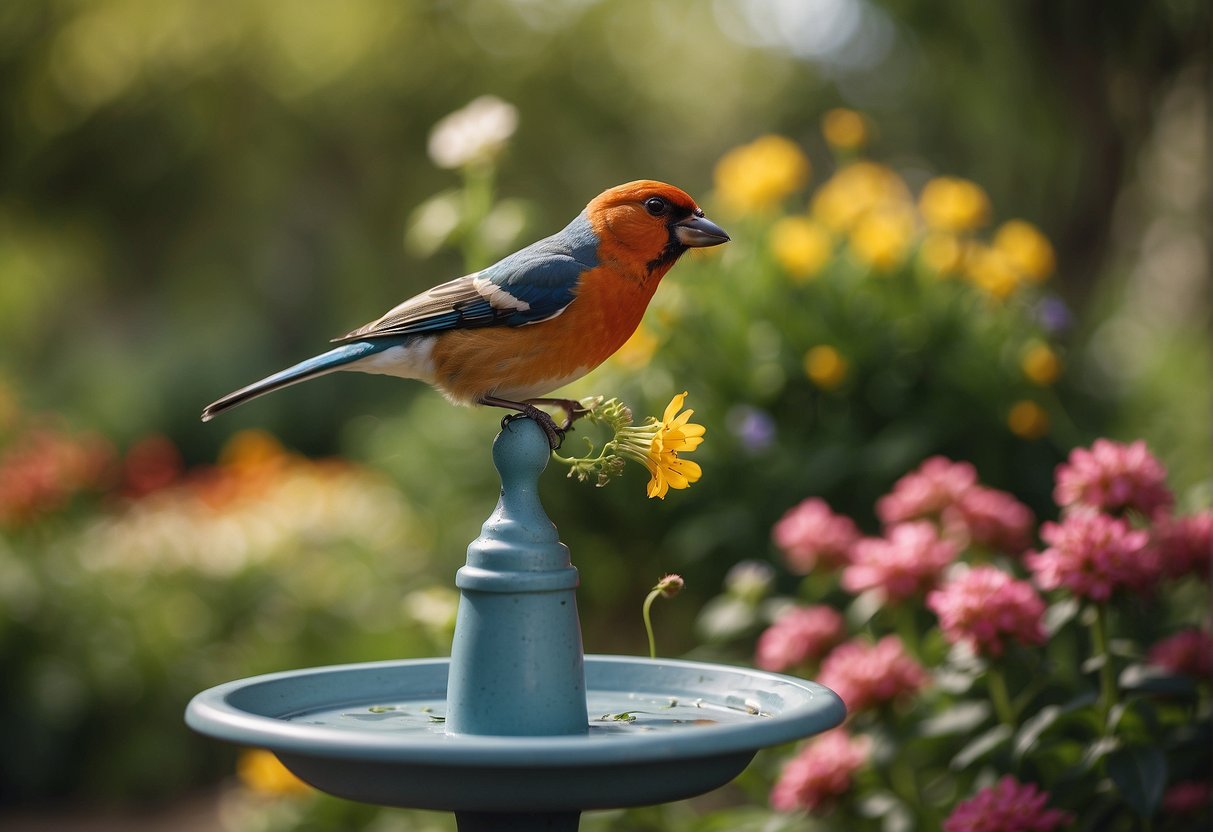
Creating a bird-friendly environment is a great way to attract birds to your backyard and help conserve their habitats. Here are some tips and tricks to create a bird-friendly environment:
Attracting Birds to Your Backyard
One of the easiest ways to attract birds to your backyard is by providing them with food. Bird feeders are a great way to do this. You can use different types of bird feeders to attract different types of birds. For example, thistle feeders are great for attracting finches, while suet feeders are great for attracting woodpeckers.
In addition to bird feeders, you can also plant bird-friendly seeds such as sunflower, millet, and safflower. These seeds are loved by many birds and can be easily grown in your backyard.
Conservation and Habitat Restoration
Conservation and habitat restoration are also important aspects of creating a bird-friendly environment. By restoring grasslands and wetlands, you can help create habitats for birds such as herons, egrets, and ospreys. You can also create birdhouses to provide nesting sites for birds.
It is important to use native plants in your backyard as they provide food and shelter for birds. Non-native plants can harm the local ecosystem and reduce the number of birds in the area.
In conclusion, creating a bird-friendly environment is easy and can be done by anyone. By providing food, shelter, and restoring habitats, you can help attract and conserve birds in your area.
Birdwatching as a Family Activity
Birdwatching is a fantastic activity for families to enjoy together. It is an engaging and educational hobby that can be enjoyed by all ages. Here are some reasons why birdwatching is an excellent family activity:
Educational Opportunities for Children
Birdwatching provides a unique opportunity for children to learn about nature and the environment. Children can learn about different bird species, their habitats, migration patterns, and behavior. They can also learn about the importance of conservation and how they can help protect the environment.
Birdwatching Clubs and Societies
Joining a birdwatching club or society is a great way to meet other birdwatchers and learn more about the hobby. The Audubon Society and National Audubon Society are two well-known organizations that offer birdwatching programs for families. These organizations provide educational resources, field trips, and other activities that can help families learn more about birds and their habitats.
There are many birdwatching hotspots in Missouri that families can visit. Missouri is home to over 400 bird species and 50 Important Bird Areas. Some popular birdwatching locations in Missouri include the Swan Lake National Wildlife Refuge, Squaw Creek National Wildlife Refuge, and the Katy Trail State Park.
Overall, birdwatching is an excellent family activity that provides educational opportunities and fosters an appreciation for nature and the environment. Joining a birdwatching club or society can help families learn more about the hobby and connect with other birdwatchers.
Birdwatching Ethics and Etiquette
Birdwatching is an exciting and educational activity that can be enjoyed by people of all ages. However, it is important to follow birdwatching ethics and etiquette to ensure that the birds and their environment are respected and protected. In Missouri, the conservation of birds and their habitats is a top priority, and following ethical birdwatching practices is crucial to maintain the balance of nature.
Conservation
Conservation is an essential aspect of birdwatching. Missouri is home to a variety of bird species, including many endangered and threatened species. It is important to respect their habitats and not disturb their natural environment. Birdwatchers should avoid stepping off designated trails, disturbing nesting areas, and littering. The Audubon Society provides a comprehensive guide to birdwatching ethics that can help birdwatchers understand how to respect the birds and their environment.
Nature
Birdwatching is a great way to connect with nature and appreciate the beauty of birds. However, it is important to remember that birds are wild animals and should be treated with respect. Birdwatchers should not approach birds too closely or disturb their natural behavior. They should also avoid making loud noises or sudden movements that could startle the birds.
Audubon Society
The Audubon Society is a leading organization in bird conservation and education. They provide birdwatching ethics guidelines that are widely accepted and followed by birdwatchers around the world. The guidelines include respecting the birds and their environment, minimizing disturbance, and promoting conservation efforts. Birdwatchers can visit the Missouri Audubon Society website to learn more about birdwatching ethics and conservation efforts in Missouri.
In conclusion, birdwatching is an enjoyable and educational activity that can be enjoyed by people of all ages. By following birdwatching ethics and etiquette, birdwatchers can help protect and conserve the birds and their habitats. The Audubon Society provides a comprehensive guide to birdwatching ethics that can help birdwatchers understand how to respect the birds and their environment.
Advancing Your Birdwatching Skills

Spring is a great time to enhance your birdwatching skills in Missouri. This section will provide some tips on how to use technology to enhance birdwatching and how to participate in citizen science projects.
Using Technology to Enhance Birdwatching
Technology can be a great tool for birdwatchers. The eBird app is a great resource for identifying birds and keeping track of your sightings. The app allows you to submit your sightings to a global database, which can help scientists track bird populations and migration patterns. Additionally, the app can provide you with real-time information about bird sightings in your area, which can help you plan your birdwatching trips.
Another useful app for birdwatchers is Merlin. This app is designed to help birdwatchers identify birds they see in the field. The app asks you a series of questions about the bird’s size, color, and behavior, and then provides you with a list of possible matches. The app also includes photos and recordings of bird songs, which can be helpful for identifying birds by sound.
Participating in Citizen Science Projects
Citizen science projects are a great way to contribute to scientific research while also enhancing your birdwatching skills. The Great Missouri Birding Trail is a citizen science project that aims to identify and map the best birdwatching locations in Missouri. By participating in the project, you can help scientists and birdwatchers alike discover new birdwatching spots and learn more about the birds that inhabit them.
Another citizen science project that birdwatchers can participate in is the Christmas Bird Count. This project takes place every year in December and involves counting all the birds seen in a specified area. The data collected from the Christmas Bird Count is used to track bird populations and migration patterns.
In conclusion, technology and citizen science projects can be great tools for advancing your birdwatching skills. By using apps like eBird and Merlin and participating in citizen science projects like the Great Missouri Birding Trail and the Christmas Bird Count, you can enhance your knowledge of bird identification and contribute to scientific research.
Frequently Asked Questions

What are the best locations for family birdwatching in Missouri?
Missouri has many great locations for birdwatching, but some of the best places for families to enjoy birdwatching include the Runge Conservation Nature Center, the Missouri Botanical Garden, and the Katy Trail State Park.
Which migratory birds can be spotted in Missouri during the spring?
Missouri is a popular destination for many migratory birds during the spring season. Some of the most common migratory birds that can be spotted in Missouri during the spring include warblers, thrushes, vireos, and flycatchers.
How can I involve children in birdwatching activities?
Birdwatching is a great activity for families to enjoy together. To involve children in birdwatching activities, parents can start by teaching them about common birds in their area and providing them with binoculars and a field guide. Parents can also encourage children to keep a bird journal and participate in citizen science projects like the Great Backyard Bird Count.
What equipment is recommended for a family starting birdwatching?
For a family starting birdwatching, basic equipment like binoculars, a field guide, and a notebook are recommended. Parents can also invest in a spotting scope for better viewing of distant birds and a camera for capturing photos of birds.
Can you identify common Missouri birds that are easy for beginners to spot?
Some of the common Missouri birds that are easy for beginners to spot include the American robin, Northern cardinal, Eastern bluebird, and House finch. These birds can be found in many different habitats, including backyards, parks, and nature centers.
What are the peak birdwatching times in Missouri’s spring season?
The peak birdwatching times in Missouri’s spring season are typically early morning and late afternoon. This is when many birds are most active and visible, making it the best time to spot a variety of species.