
Navigating Missouri’s Farmers Markets This Spring Break: Tips and Tricks
Spring break is a great time to explore Missouri’s farmers markets. With the arrival of spring, farmers markets across the state are opening up, offering fresh produce, locally-made goods, and a sense of community. From St. Louis to Springfield, there are plenty of farmers markets to explore and discover.
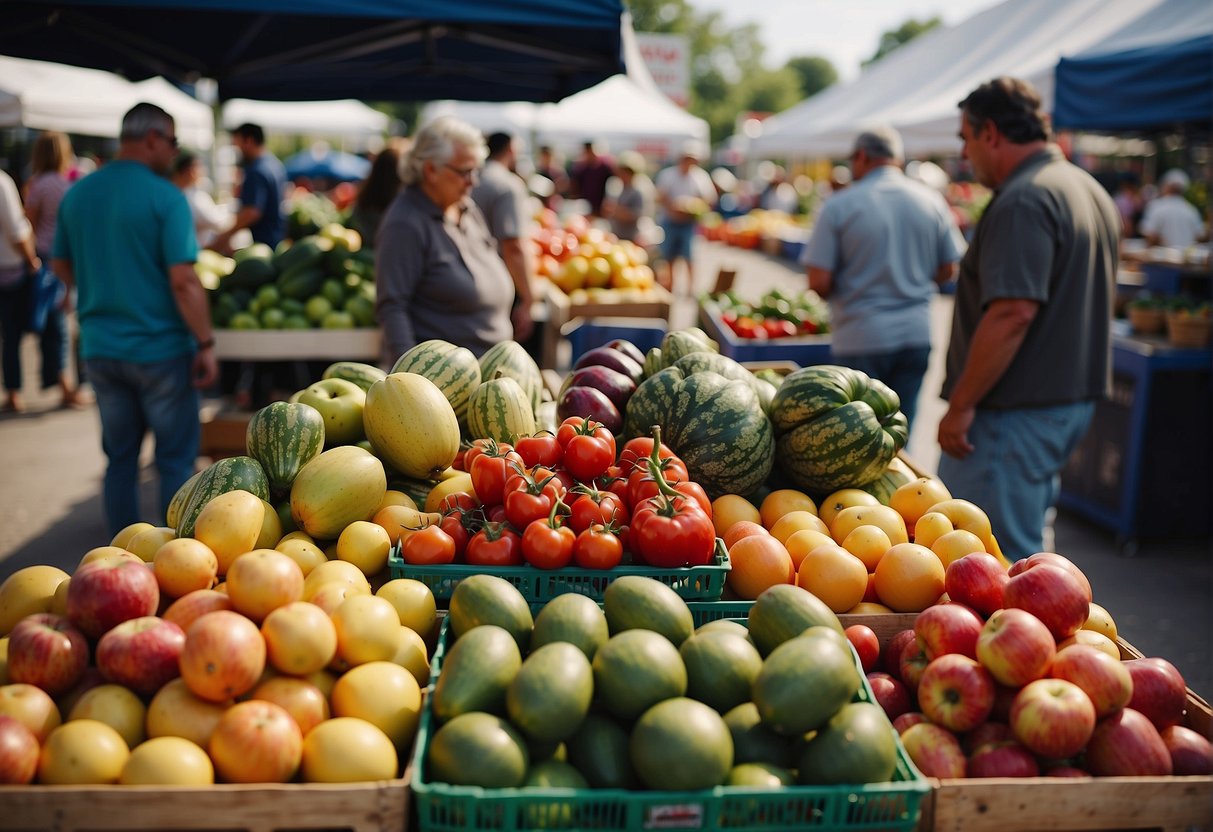
Missouri is home to a diverse range of farmers markets, each with its own unique character and offerings. Visitors can expect to find everything from fresh fruits and vegetables to homemade jams, baked goods, and artisanal crafts. Farmers markets are also a great place to meet and connect with local farmers and artisans, who are often happy to share their knowledge and passion for their craft. Whether you’re a seasoned farmers market shopper or a first-timer, there’s something for everyone at Missouri’s farmers markets.
The Importance of Farmers Markets in Missouri
Farmers markets are an essential part of Missouri’s agricultural landscape, offering fresh, locally grown produce and other products to consumers. They provide an opportunity for farmers to sell their products directly to the community, which is beneficial to both parties. In this section, we will explore the importance of farmers markets in Missouri, including their role in supporting local agriculture, benefits to the community, and economic growth and sustainability.
Supporting Local Agriculture
Farmers markets in Missouri play a critical role in supporting local agriculture. By providing a platform for farmers to sell their products directly to consumers, farmers markets help to maintain the viability of small-scale agriculture in the state. This is especially important in rural areas, where many farmers struggle to make a living. Farmers markets also help to preserve traditional farming practices and heirloom varieties of fruits and vegetables, which might otherwise be lost.
Benefits to the Community
In addition to supporting local agriculture, farmers markets provide many benefits to the community. They offer consumers access to fresh, healthy, and locally grown food, which is often of higher quality than produce found in grocery stores. Farmers markets also promote community engagement and social interaction, providing a gathering place for people to meet and connect with one another.
Economic Growth and Sustainability
Farmers markets are also an important driver of economic growth and sustainability in Missouri. They create jobs and stimulate local economies by providing a market for small-scale farmers and other local businesses. Additionally, farmers markets help to reduce the environmental impact of food production and transportation by promoting sustainable agriculture practices and reducing the distance that food travels from farm to table.
In conclusion, farmers markets in Missouri are an essential part of the state’s agricultural landscape, providing fresh, locally grown produce and other products to consumers while supporting local agriculture, promoting community engagement, and driving economic growth and sustainability.
Planning Your Visit
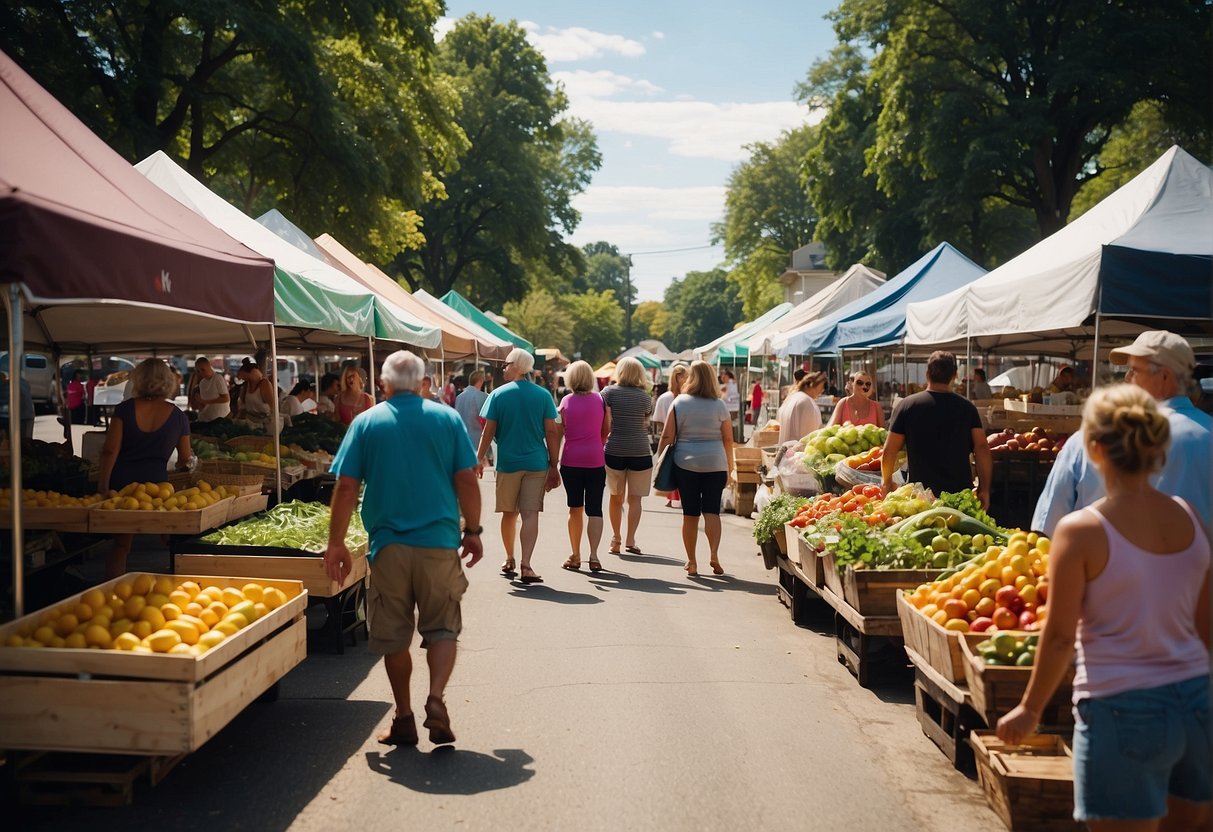
When planning a trip to a Missouri farmers market, there are a few things to consider to ensure a smooth and enjoyable experience. Here are some key factors to keep in mind:
Finding the Right Market
With over 200 farmers markets in Missouri, it can be overwhelming to choose which one to visit. Consider the location and the types of vendors you are interested in. Some markets focus on fresh produce, while others have a wider variety of goods, such as handmade crafts and baked goods.
Understanding Market Hours and Locations
Before heading out, make sure to check the market’s hours of operation and location. Farmers markets in Missouri typically run from April through October, but some may have different schedules. Check the market’s website or social media pages for up-to-date information.
Parking and Accessibility
Parking can be a challenge at some farmers markets, so it’s important to plan ahead. Some markets may have designated parking areas, while others may require street parking. Keep in mind that some markets may not be accessible for those with mobility issues. Check the market’s website or contact them directly for information on accessibility options.
By considering these factors, visitors can plan a successful trip to a Missouri farmers market. Keep in mind that markets can be busy, so it’s a good idea to arrive early to beat the crowds and get the best selection of goods.
What to Expect at Missouri Farmers Markets
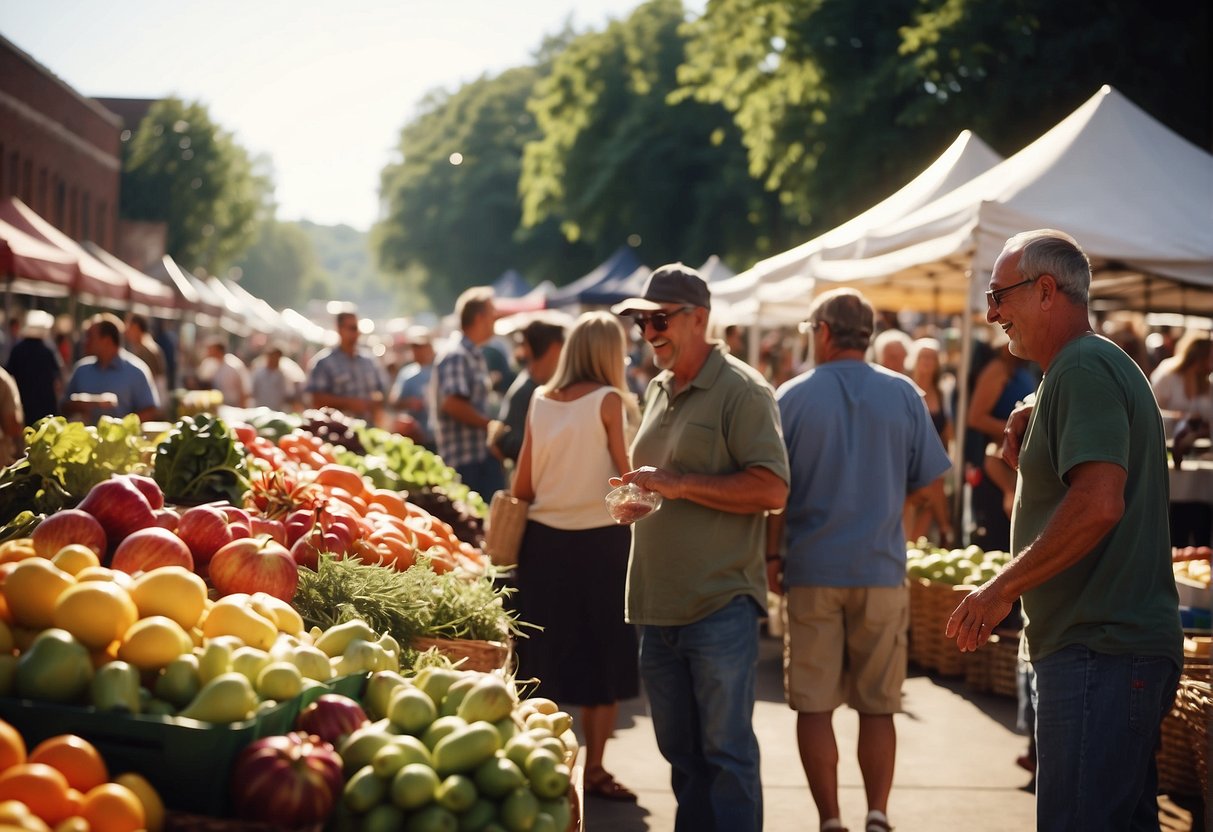
Missouri is known for its vibrant farmers markets. They are a great place to find fresh produce, local specialties, artisan products, and community events. If you are planning to visit a farmers market in Missouri this spring break, here is what you can expect:
Variety of Fresh Produce
Missouri farmers markets offer a wide variety of fresh produce. From seasonal fruits and vegetables to herbs and spices, you will find everything you need to make a healthy and delicious meal. The produce is usually grown locally, which means it is fresher and has more flavor than what you would find in a grocery store. You can also find organic and pesticide-free produce at some markets.
Local Specialties and Artisan Products
In addition to fresh produce, Missouri farmers markets offer a variety of local specialties and artisan products. You can find homemade jams, jellies, and honey, as well as baked goods, cheeses, and meats. You can also find handmade crafts, jewelry, and other unique items made by local artisans.
Community Events and Live Music
Missouri farmers markets are not just about shopping for fresh produce and artisan products. They are also a place to connect with the community. Many markets host community events, such as cooking demonstrations, gardening workshops, and children’s activities. You can also enjoy live music and other entertainment while you shop.
Overall, Missouri farmers markets are a great place to find fresh and local produce, unique artisan products, and to connect with the community. So, if you are looking for a fun and healthy way to spend your spring break, visit a farmers market in Missouri.
Shopping Tips and Tricks
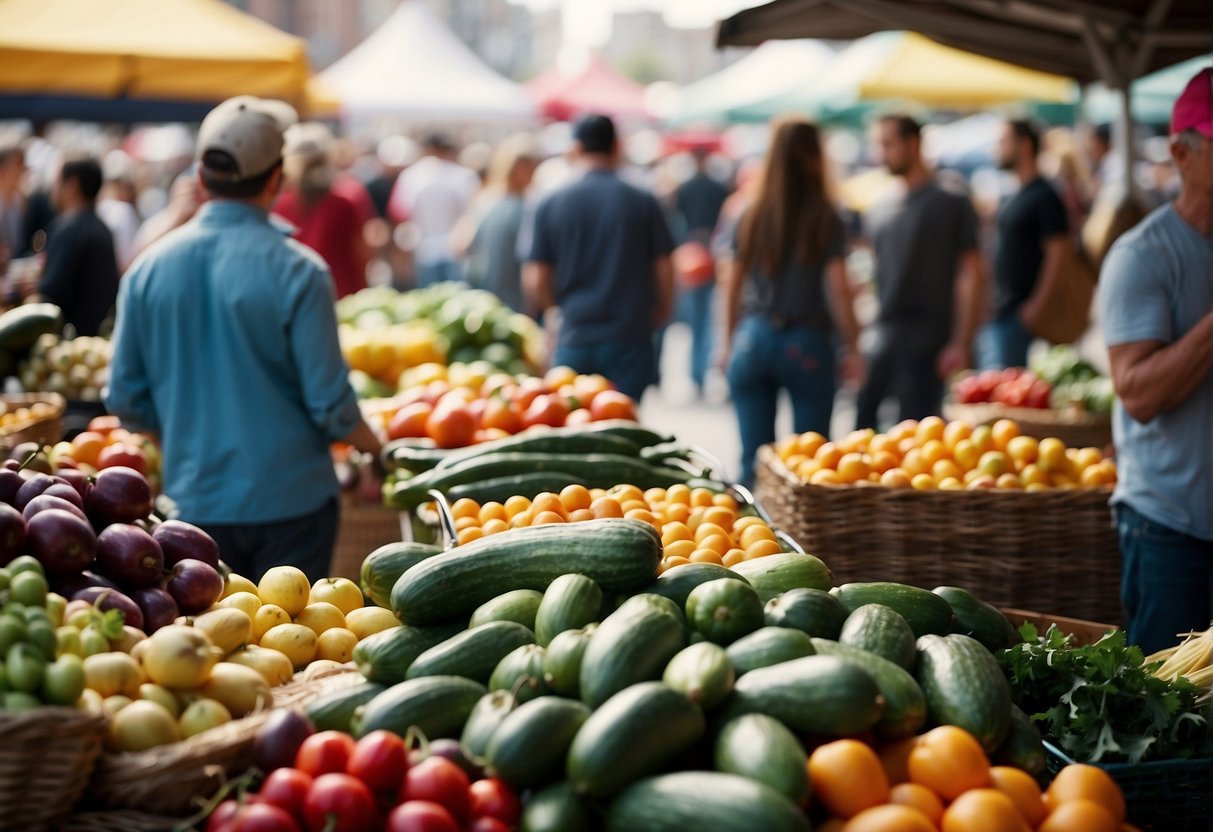
Missouri’s farmers markets are a great place to find fresh produce, handmade crafts, and unique items. Here are some tips and tricks to help consumers make the most of their shopping experience and get the best value for their money.
Seasonal Shopping Guide
One of the best ways to save money and get the freshest produce is to shop seasonally. Different fruits and vegetables are available at different times of the year, so it’s important to know what’s in season. In Missouri, some of the most popular seasonal produce includes strawberries, asparagus, lettuce, cucumbers, and tomatoes. Consumers can use this information to plan their meals and make the most of their budget.
Making the Most of Your Budget
Farmers markets offer fresh and healthy produce, but it can be easy to overspend. Consumers can set a budget before they go shopping and stick to it. They can also look for deals and discounts, such as bulk pricing or special sales. Another way to save money is to buy in-season produce, which is often cheaper than out-of-season produce. Consumers can also consider buying in bulk and freezing or canning the produce for later use.
Bringing the Right Supplies
To make the most of their shopping experience, consumers should bring the right supplies. A tote bag or basket is a convenient way to carry purchases, and it’s better for the environment than using plastic bags. Consumers should also bring cash, as some vendors may not accept credit cards. It’s also a good idea to bring a list of items they need, so they don’t forget anything and can avoid impulse purchases.
By following these tips and tricks, consumers can navigate Missouri’s farmers markets with confidence and get the most out of their shopping experience. Not only will they support local farmers and businesses, but they’ll also enjoy fresh and healthy produce at a reasonable price.
Engaging with Local Growers and Producers
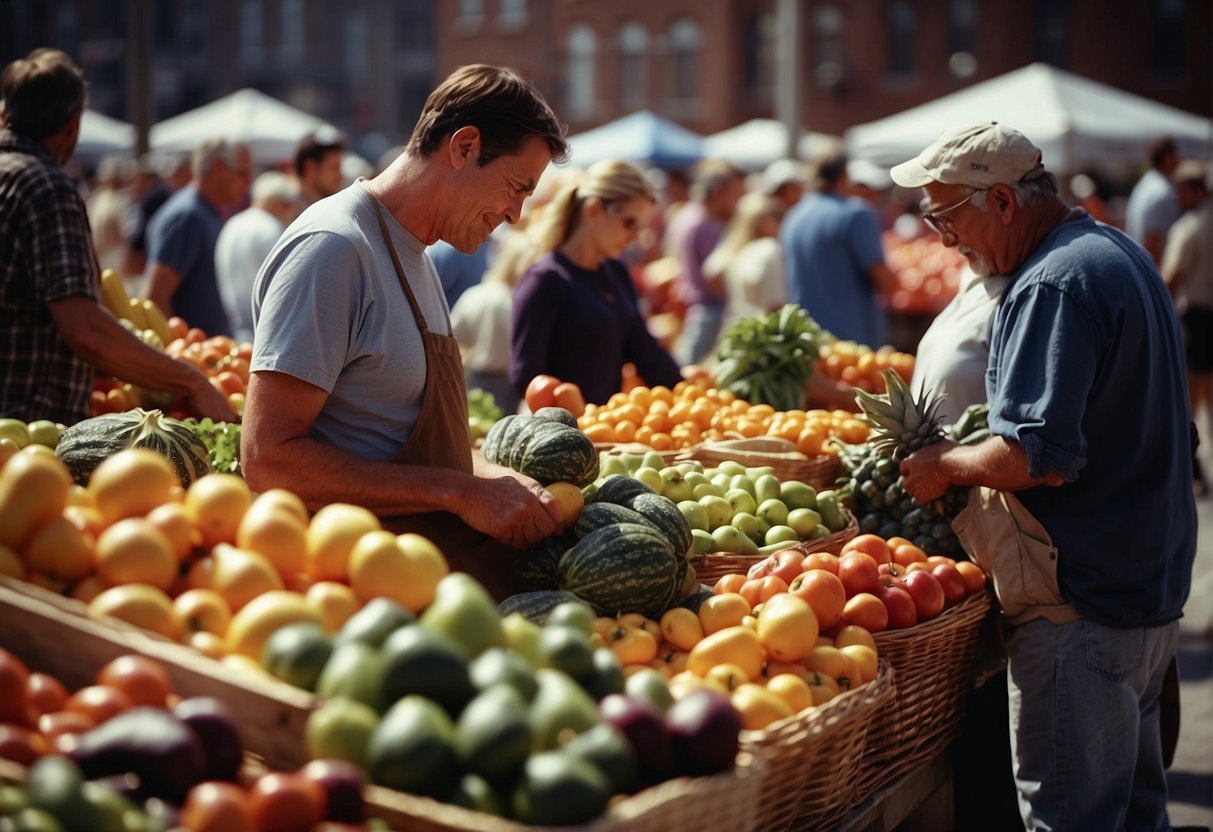
When visiting farmers markets in Missouri this Spring Break, engaging with local growers and producers can be a great way to learn about farming practices, build relationships with vendors, and explore farm-to-table connections.
Learning About Farming Practices
One of the benefits of shopping at farmers markets is the opportunity to learn about different farming practices. Local farmers are often happy to share information about their growing methods, such as whether they use organic or conventional practices, how they manage pests and weeds, and how they ensure the quality and safety of their products.
Visitors can also learn about the different crops grown in the region and the challenges that farmers face, such as weather patterns or soil conditions. This information can help visitors appreciate the hard work and dedication that goes into producing fresh, locally grown food.
Building Relationships with Vendors
Building relationships with vendors is another benefit of shopping at farmers markets. By getting to know the people who grow and produce the food, visitors can develop a deeper appreciation for the products and the people behind them.
Vendors can also provide valuable information about the best ways to prepare and store their products, as well as recipe ideas and cooking tips. By building relationships with vendors, visitors can also support the local economy and help ensure the sustainability of the farmers market community.
Exploring Farm-to-Table Connections
Farm-to-table connections are an important part of the local food movement, and farmers markets are a great place to explore these connections. Visitors can learn about the different ways that local restaurants and chefs are using fresh, locally grown ingredients in their menus, and how they are supporting local farmers and producers.
Some farmers markets even offer cooking demonstrations or classes, where visitors can learn how to prepare different dishes using local ingredients. These events can be a fun and educational way to explore the flavors and diversity of Missouri’s local food scene.
In conclusion, engaging with local growers and producers at farmers markets in Missouri this Spring Break can be a great way to learn about farming practices, build relationships with vendors, and explore farm-to-table connections. By supporting the local food community, visitors can also help ensure the sustainability and vitality of the farmers market ecosystem.
Health and Safety Regulations
Understanding Food Safety
Missouri’s farmers markets are regulated by the Missouri Department of Health and Senior Services. The Bureau of Environmental Health Services is responsible for ensuring that the food sold at farmers markets is safe for consumption. Farmers markets must comply with food safety regulations to ensure that the food sold is of high quality and safe for consumption.
Farmers markets must comply with the Missouri Food Code, which outlines the requirements for food safety, handling, and preparation. Farmers must follow proper food handling techniques, such as washing their hands and using gloves when handling food. The code also requires that all food be stored at the correct temperature to prevent spoilage and bacterial growth.
Customers can also take steps to ensure that the food they buy is safe. They can look for signs of quality, such as fresh produce, and ask vendors about their food handling practices. It is also important to wash all produce thoroughly before eating.
Market Management and Insurance
Farmers markets are managed by market managers who are responsible for ensuring that the market runs smoothly and that vendors comply with all regulations. Market managers must ensure that all vendors have the necessary permits and licenses to sell their products at the market.
Vendors are required to have general liability insurance, which provides coverage in the event that a customer is injured while at the market. Market managers may also require vendors to have product liability insurance to protect against claims related to the safety of their products.
In addition to insurance requirements, market managers must also ensure that vendors comply with all regulations related to food safety, handling, and preparation. This includes ensuring that all food is stored at the correct temperature and that vendors follow proper food handling techniques.
Overall, Missouri’s farmers markets are regulated to ensure that the food sold is of high quality and safe for consumption. Customers can take steps to ensure that the food they buy is safe, and market managers are responsible for ensuring that vendors comply with all regulations.
Support Programs and Community Services
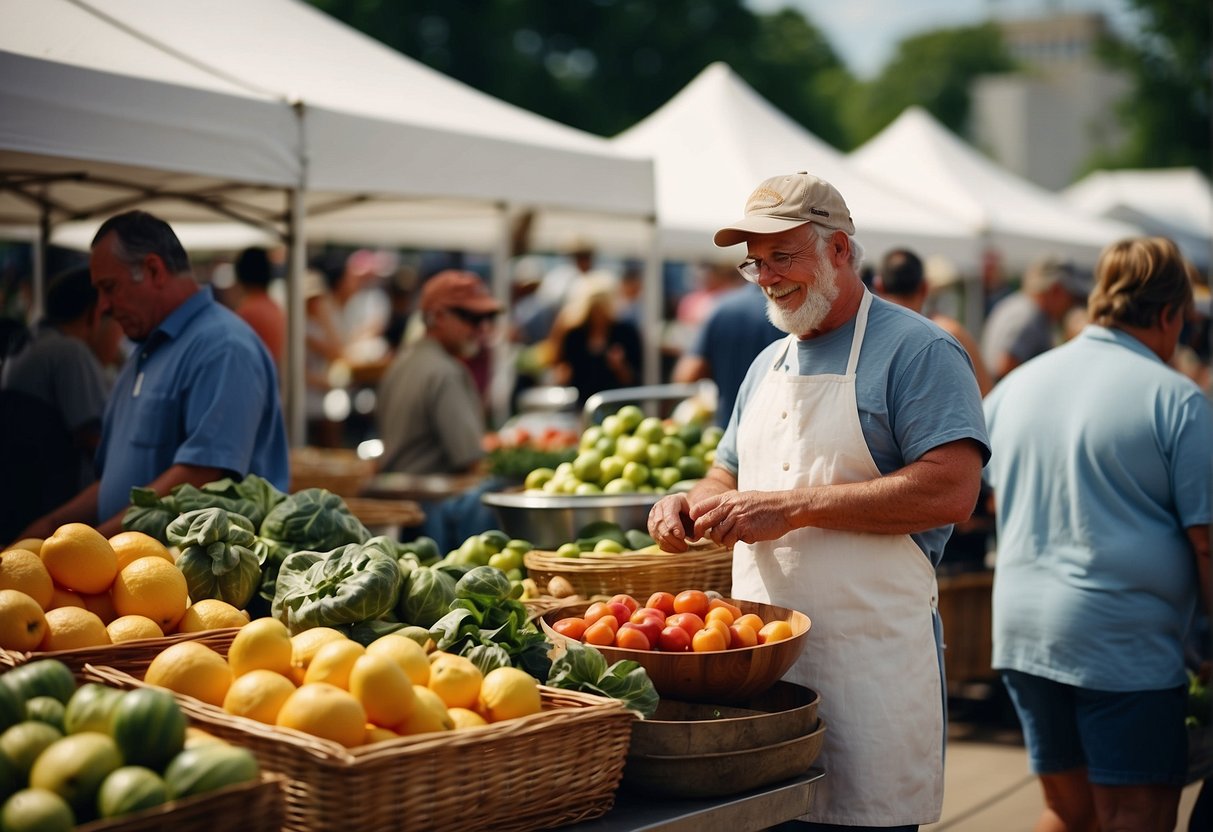
Missouri’s farmers markets are not just places to buy fresh produce, but also community hubs that offer a variety of support programs and services. Here are some of the programs and services available at farmers markets across the state:
Programs for Low-Income Seniors
Many farmers markets in Missouri participate in the Missouri Senior Farmers Market Nutrition Program (SFMNP). This program provides low-income seniors (60 years of age or older) with $50 in benefits annually per household, which can be used to purchase fresh fruits, vegetables, honey, and herbs from authorized farmers at farmers markets. The SFMNP is funded by the U.S. Department of Agriculture’s Food and Nutrition Services and generates more than $200,000 for the farmers’ market community [1].
SNAP and Nutrition Assistance
Many farmers markets in Missouri also accept Supplemental Nutrition Assistance Program (SNAP) benefits, which can be used to purchase eligible food items from authorized farmers at farmers markets. In addition, some farmers markets offer nutrition assistance programs, such as cooking demonstrations and nutrition education workshops, to help customers make healthy choices and stretch their food dollars further.
Educational Resources and Workshops
Farmers markets in Missouri also offer a variety of educational resources and workshops for customers of all ages. Some farmers markets offer workshops on gardening, cooking, and food preservation, while others offer farm tours and other educational opportunities to help customers learn more about where their food comes from and how it is produced.
Overall, farmers markets in Missouri are more than just places to buy fresh produce. They offer a variety of support programs and services that can benefit the community, including low-income seniors, and provide educational resources and workshops to help customers make healthy choices and learn more about their food.
[1] Missouri Department of Agriculture. “Missouri Department of Agriculture News Release.” agriculture.mo.gov. (Accessed March 13, 2024). https://agriculture.mo.gov/news/newsitem/uuid/cdcb9973-47d4-46af-9f12-d3c7406c844d
Future of Farmers Markets in Missouri
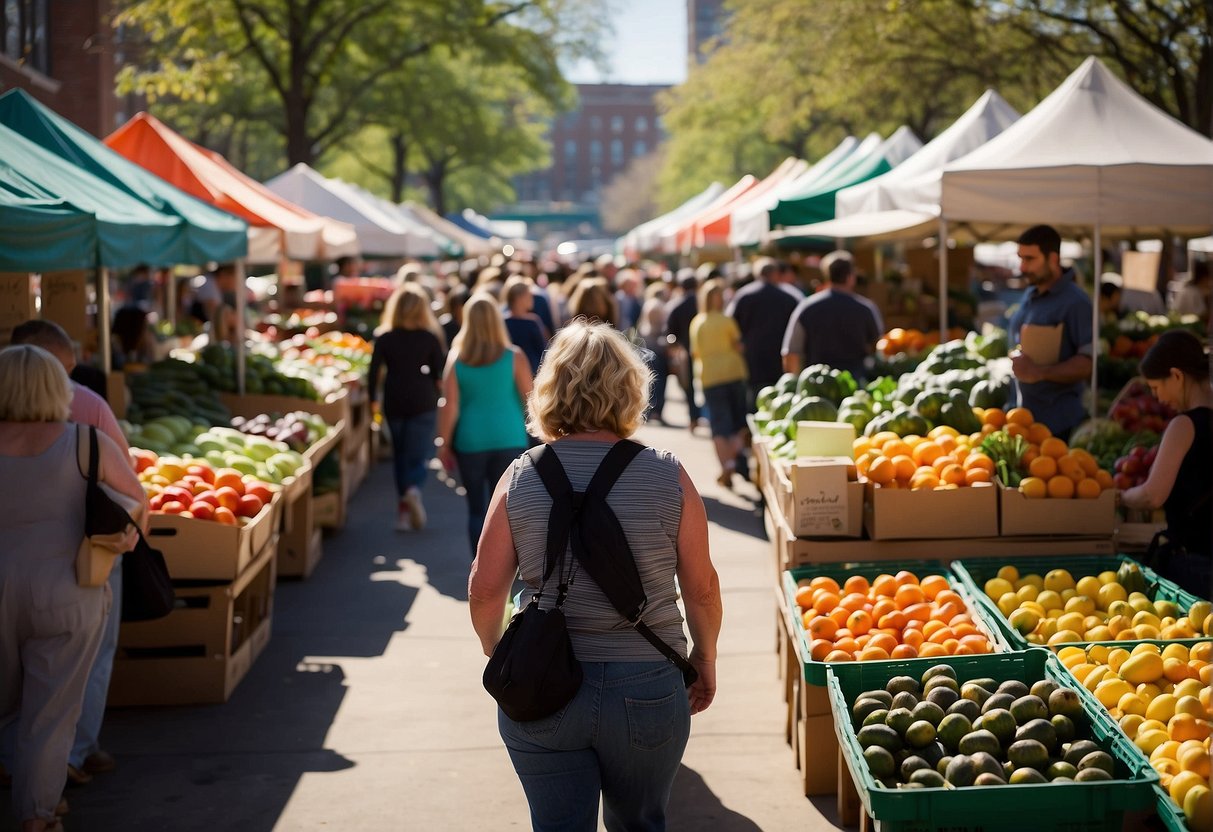
Missouri’s farmers markets have been growing in popularity in recent years, and this trend is expected to continue in the future. With the increasing demand for fresh, locally grown produce, farmers markets have become an important part of the state’s local food systems. In this section, we will explore some of the ways in which farmers markets in Missouri are evolving to meet the needs of consumers and producers.
Innovation and Technology
One of the most significant changes in farmers markets in recent years has been the adoption of new technologies. Many farmers markets now use online platforms to connect consumers with local producers. This has made it easier for consumers to find and purchase fresh, locally grown produce, even when they are unable to attend the market in person. Some farmers markets have also started using mobile payment systems, making it easier for consumers to pay for their purchases.
Expanding the Reach of Local Food Systems
Another important trend in farmers markets in Missouri is the expansion of local food systems. Farmers markets are increasingly seen as a way to support local farmers and promote sustainable agriculture. As a result, many farmers markets are working to expand their reach beyond their local communities. For example, the Missouri Farmers Market Association (MFMA) is working to connect farmers markets across the state, creating a network that can share resources and promote the growth of local food systems.
Partnerships and Collaborations
Finally, farmers markets in Missouri are increasingly forming partnerships and collaborations with other organizations. These partnerships can help farmers markets to expand their reach and promote the growth of local food systems. For example, some farmers markets have partnered with local schools to provide fresh produce for school meals. Other farmers markets have partnered with local restaurants to promote the use of locally grown produce in their menus.
In conclusion, the future of farmers markets in Missouri looks bright. With the growth of local food systems, the support of organizations like the MFMA, and the adoption of new technologies, farmers markets are well-positioned to continue to thrive in the coming years.
Frequently Asked Questions
What are the operating hours for farmers markets in St. Louis this spring?
The operating hours for farmers markets in St. Louis vary depending on the location. Some farmers markets are open year-round, while others are only open during the spring and summer months. The Soulard Farmers Market, for example, is open Wednesday through Saturday from 8:00 am to 5:00 pm and Sunday from 8:00 am to 3:00 pm.
How do Missouri farmers market regulations affect shoppers?
Missouri farmers market regulations are designed to ensure that shoppers have access to safe and healthy food. These regulations require that vendors follow certain food safety guidelines and obtain the necessary permits and licenses. Shoppers can rest assured that the food they purchase at Missouri farmers markets is fresh, locally grown, and safe to eat.
Which farmers markets in Missouri are considered the best to visit during spring break?
There are many farmers markets in Missouri that are worth visiting during spring break. Some of the best farmers markets to visit include the Soulard Farmers Market in St. Louis, the Columbia Farmers Market in Columbia, and the City Market in Kansas City.
Are there any special events at the Soulard farmers market this spring?
Yes, the Soulard Farmers Market hosts a variety of special events throughout the year, including during spring break. Some of the events that are scheduled for this spring include the Annual Spring Art and Craft Fair, the Spring Plant Sale, and the Spring Wine Walk.
Can I use the Senior Farmers Market Nutrition Program benefits at Missouri farmers markets?
Yes, the Senior Farmers Market Nutrition Program benefits can be used at farmers markets throughout Missouri. These benefits are designed to help low-income seniors purchase fresh fruits and vegetables at farmers markets.
Do farmers markets in St. Louis accept EBT cards?
Yes, many farmers markets in St. Louis accept EBT cards. EBT cards can be used to purchase fresh fruits, vegetables, and other eligible food items at farmers markets throughout Missouri.


