Missouri’s Best Botanical Gardens to Explore This Spring Break
Spring break is just around the corner, and it’s time to start planning your vacation. If you’re looking for a relaxing and beautiful way to spend your time off, consider visiting one of Missouri’s best botanical gardens. These gardens are perfect for nature lovers, families, and anyone who wants to enjoy the great outdoors.
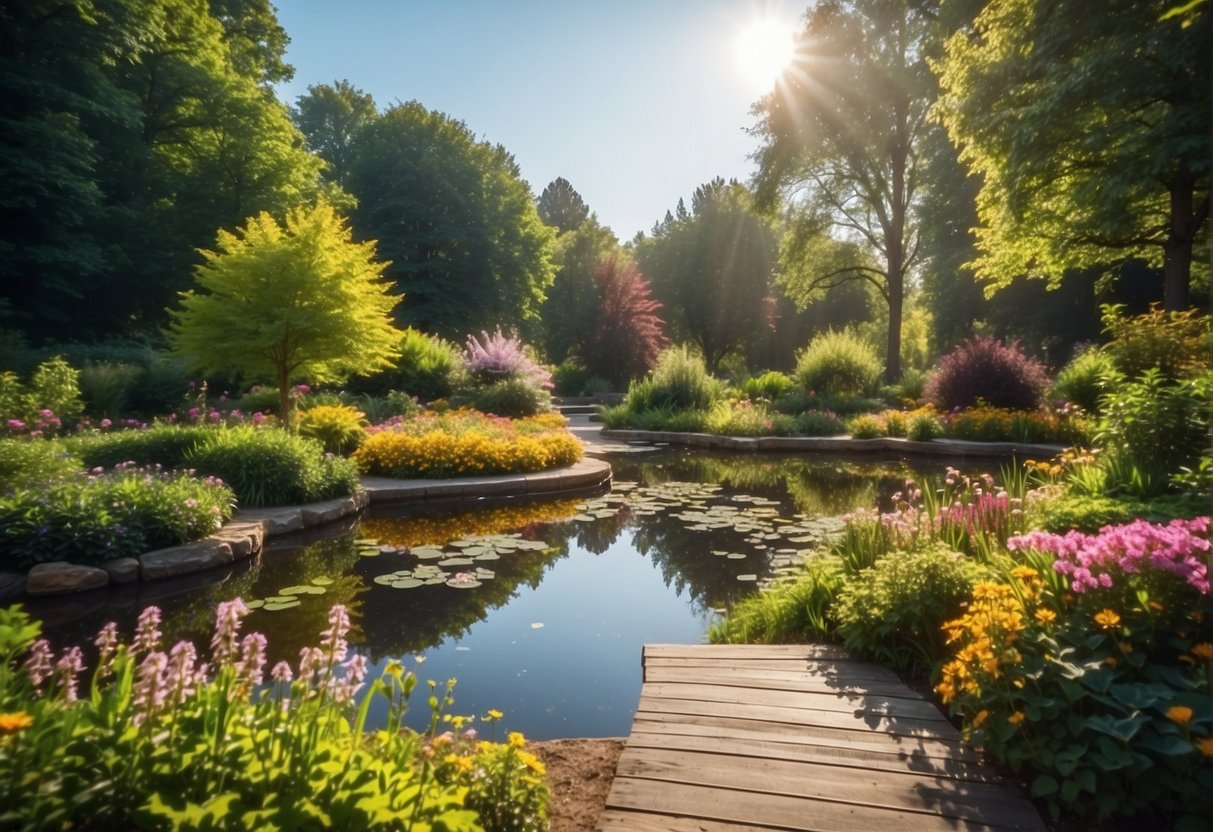
Missouri is home to some of the most stunning botanical gardens in the country, with a wide variety of flora and fauna on display. From the Missouri Botanical Garden in St. Louis to the Powell Gardens in Kingsville, there is no shortage of places to explore. Whether you’re interested in learning about local plant life or want to see exotic species from around the world, there is something for everyone. So, pack your bags, grab your camera, and get ready to experience the beauty of Missouri’s botanical gardens this spring break.
Missouri’s Diverse Botanical Landscapes
Missouri is home to a diverse range of botanical landscapes, each with its own unique beauty and charm. From the lush forests of the Ozarks to the rolling prairies and glades, Missouri’s natural landscapes offer a wealth of opportunities for exploration and discovery. This section will explore some of the most notable botanical landscapes in the state, highlighting their unique features and attractions.
The Ozarks’ Natural Beauty
The Ozarks are one of Missouri’s most iconic natural landscapes, known for their rugged beauty and scenic vistas. This region is home to a diverse array of plant and animal life, including towering hardwood trees, wildflowers, and an abundance of wildlife. Visitors to the Ozarks can explore a variety of trails, each offering a unique perspective on this stunning landscape. Some of the most popular trails include the Ozark Trail, the White River Valley Trail, and the Hercules Glades Wilderness Area.
Prairies and Glades
Missouri’s prairies and glades are some of the state’s most unique and biodiverse landscapes. These ecosystems are home to a wide variety of plant and animal life, including rare and endangered species such as the prairie chicken and the Henslow’s sparrow. Visitors to Missouri’s prairies and glades can explore a variety of trails and natural areas, each offering a unique glimpse into this fascinating landscape. Some of the most notable prairies and glades in Missouri include the Grand Gulf State Park, the Missouri Prairie Foundation, and the Shaw Nature Reserve.
Woodlands and Forests
Missouri’s woodlands and forests are some of the state’s most iconic and beloved natural landscapes. These ecosystems are home to a wide variety of plant and animal life, including towering hardwood trees, wildflowers, and an abundance of wildlife. Visitors to Missouri’s woodlands and forests can explore a variety of trails and natural areas, each offering a unique glimpse into this stunning landscape. Some of the most notable woodlands and forests in Missouri include the Mark Twain National Forest, the Forest Park, and the Katy Trail State Park.
Overall, Missouri’s diverse botanical landscapes offer a wealth of opportunities for exploration and discovery. Whether you’re interested in hiking, birdwatching, or simply taking in the natural beauty of the state, there’s something for everyone in Missouri’s botanical landscapes.
Iconic Missouri Botanical Gardens
Missouri is home to some of the most beautiful and iconic botanical gardens in the United States. Whether you’re a local or a visitor, these gardens are a must-see during the spring break season. Here are three of the best botanical gardens to explore in Missouri:
Missouri Botanical Garden in St. Louis
The Missouri Botanical Garden, located in St. Louis, is one of the most famous botanical gardens in the world. This 79-acre garden has more than 4,800 trees and 900 species of plants, making it a true paradise for nature lovers. The garden is divided into several sections, including the Climatron®, a geodesic dome greenhouse that houses a rainforest, and the Japanese Garden, which features a traditional Japanese landscape design.
The Linnean House, the oldest continuously operated greenhouse west of the Mississippi River, is another highlight of the Missouri Botanical Garden. This greenhouse features a collection of rare and exotic plants, including a 120-year-old agave plant. Visitors can also explore the Butterfly House, the Children’s Garden, and the Victorian District, which features historic homes and a beautiful meadow.
Powell Gardens near Kansas City
Powell Gardens, located near Kansas City, is another must-see botanical garden in Missouri. This 970-acre garden features a diverse collection of plants, including wildflowers, native grasses, and rare trees. Visitors can explore the Heartland Harvest Garden, which features more than 2,000 varieties of fruits and vegetables, or the Island Garden, which is surrounded by a lake and features a variety of water-loving plants.
The Children’s Garden at Powell Gardens is another highlight. This garden features a treehouse, a maze, and a sensory garden, making it a perfect destination for families with young children. Visitors can also explore the Meadow, which features a variety of native grasses and wildflowers, or the Rock and Waterfall Garden, which features a beautiful waterfall and a variety of rocks and boulders.
Springfield Botanical Gardens
The Springfield Botanical Gardens, located in Springfield, Missouri, is another beautiful botanical garden to explore this spring break. This 114-acre garden features a variety of gardens, including the Japanese Stroll Garden, which features a traditional Japanese landscape design, and the Master Gardener Demonstration Garden, which showcases a variety of gardening techniques.
The Springfield Botanical Gardens also features a variety of events and programs throughout the year, including the Butterfly Festival, the Garden Tour, and the Winter Garden Show. Visitors can also explore the Lake and Boathouse, which features a variety of water-loving plants and a beautiful lake.
Seasonal Blooms and Plant Collections
Missouri is home to some of the most beautiful botanical gardens in the United States. Visitors can enjoy a variety of seasonal blooms and plant collections during spring break, making it the perfect time to explore these natural wonders.
Celebrating Spring Flowers
Spring is the time when nature awakens from its winter slumber, and the gardens come alive with vibrant colors and fragrant scents. Tulips, daffodils, azaleas, peonies, and orchids are some of the most popular flowers that bloom during this season. Visitors can stroll through fields of colorful spring wildflowers and marvel at the beauty of nature.
The Missouri Botanical Garden is a must-visit destination for those who love spring flowers. With over 51,000 plants in the live collection, visitors can explore a wide variety of spring blooms. The Camellia collection is a visitor favorite, with peak bloom in February. The Daffodil collection is another must-see, with peak bloom in March through early April. Daylilies dazzle in June and July, and the Garden’s famous water lilies amaze visitors with their huge platter-like leaves (up to 75 inches wide!) and lovely blooms from July through September.
Exotic and Native Plant Exhibits
In addition to the spring blooms, visitors can also explore exotic and native plant exhibits. The Missouri Botanical Garden has a collection of over 6,000 exotic and native plants from around the world. Visitors can learn about the importance of conservation and sustainable gardening practices while enjoying the beauty of these unique plants.
The Garden’s Notable Plant Collections include a wide variety of plants from around the world, including the Chinese Garden, the Ottoman Garden, and the English Woodland Garden. Visitors can explore the names and locations of these collections on the Garden’s website.
Overall, Missouri’s botanical gardens offer a unique opportunity to explore the beauty of nature and learn about the importance of conservation. With a wide variety of seasonal blooms and plant collections, visitors can enjoy a memorable spring break experience.
Educational Opportunities and Events
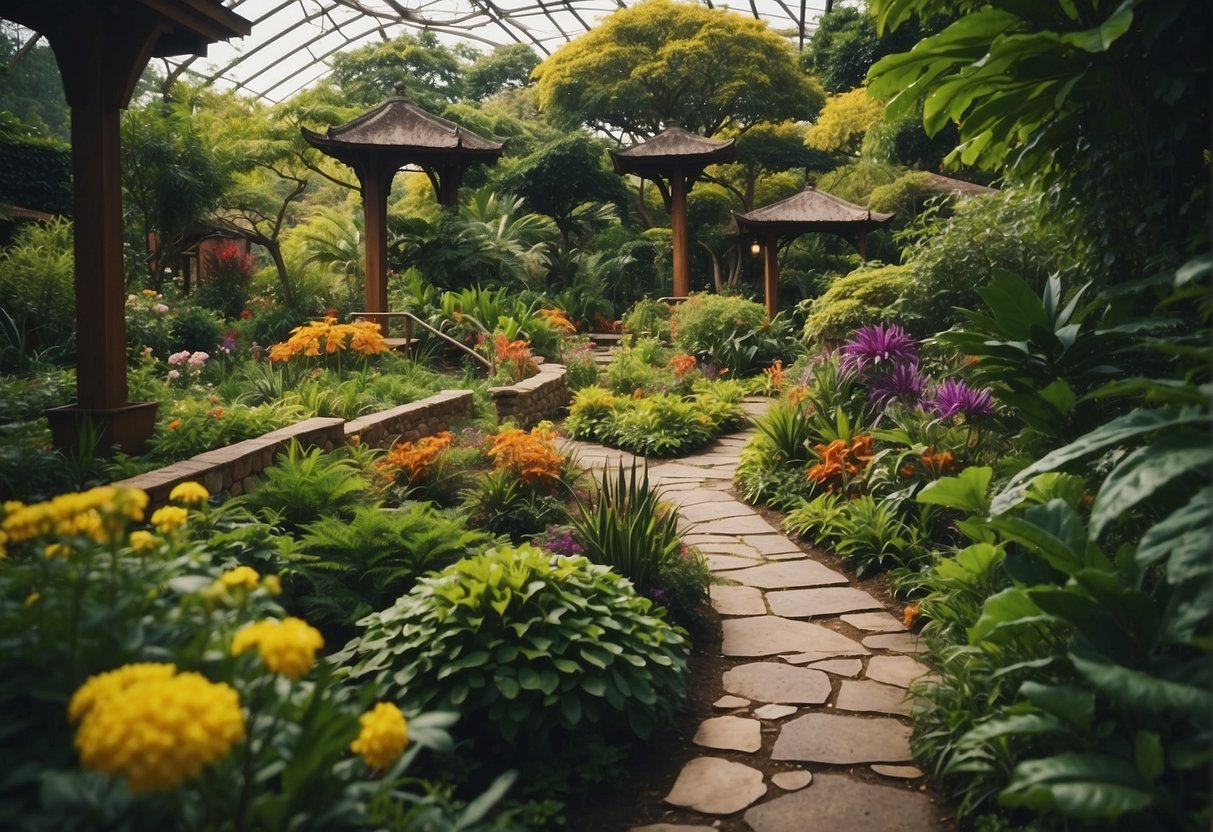
Spring break is the perfect time to explore the beauty and wonder of Missouri’s botanical gardens. In addition to their stunning landscapes and breathtaking flora, many of these gardens offer a range of educational opportunities and events that are sure to captivate visitors of all ages.
Gardening Workshops and Classes
For those looking to improve their green thumb, Missouri’s botanical gardens offer a variety of gardening workshops and classes. Visitors can learn everything from basic gardening techniques to advanced horticultural practices. These workshops are led by expert gardeners and are a great way to gain hands-on experience and learn new skills.
Cultural Celebrations
Missouri’s botanical gardens are also home to a variety of cultural celebrations throughout the year. Chinese Culture Days at the Missouri Botanical Garden is an annual event that celebrates Chinese culture and heritage. Visitors can enjoy traditional Chinese music, dance, and food, as well as a variety of art and cultural exhibits.
Seasonal Festivities
During mid-April to early May, Missouri’s botanical gardens come alive with seasonal festivities. The Missouri Botanical Garden hosts the Japanese Festival, a celebration of Japanese culture and tradition. Visitors can enjoy traditional Japanese music and dance, as well as a variety of Japanese cuisine and cultural exhibits.
Overall, Missouri’s botanical gardens offer a wealth of educational opportunities and events that are sure to delight visitors of all ages. Whether you’re interested in gardening, art, or cultural celebrations, there’s something for everyone to enjoy.
Recreational Activities in Botanical Settings
Spring break is the perfect time to get outside and explore the beauty of nature. Botanical gardens offer a unique opportunity for visitors to enjoy the outdoors while also learning about plants and wildlife. Here are some of the best recreational activities to enjoy in botanical settings.
Nature Trails and Hikes
Many botanical gardens offer nature trails and hiking opportunities for visitors to explore the natural beauty of the area. The Missouri Botanical Garden, for example, offers the Echo Bluff and Dogwood Walk trails, which wind through the garden’s forests and meadows. These trails are perfect for families and nature enthusiasts looking to enjoy a peaceful walk in the great outdoors.
Wildlife Watching and Birding
Botanical gardens are also home to a variety of wildlife and birds. Visitors can enjoy watching birds and other wildlife in their natural habitats while exploring the gardens. The Missouri Botanical Garden is home to a variety of bird species, including blue jays, cardinals, and woodpeckers. Visitors can also spot butterflies and other insects throughout the gardens.
Garden Exploration for Families
Botanical gardens offer a unique opportunity for families to explore the outdoors together. Many gardens have dedicated children’s gardens where kids can learn about plants and nature through hands-on activities. The Missouri Botanical Garden’s Children’s Garden, for example, offers a variety of interactive exhibits and play areas for kids to enjoy.
Whether you’re looking to explore nature, hike through the woods, or simply enjoy a peaceful walk, botanical gardens offer a variety of recreational activities for visitors of all ages. So, pack a picnic, grab your hiking boots, and head out to explore the beauty of Missouri’s botanical gardens this spring break.
Conservation and Environmental Stewardship
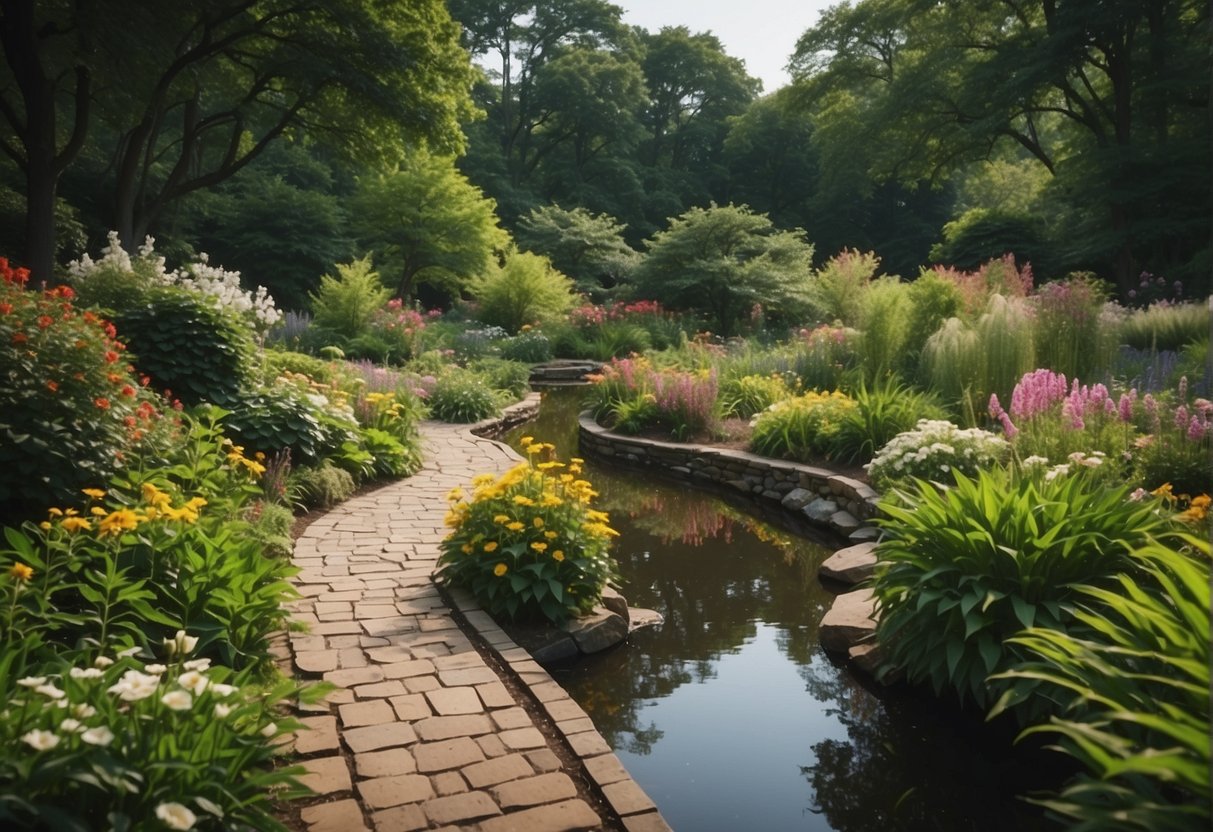
Missouri’s botanical gardens are not just beautiful places to visit, but they are also dedicated to conservation and environmental stewardship. These gardens are actively working to protect Missouri’s natural habitats and promote sustainable gardening practices.
Protecting Missouri’s Natural Habitats
Missouri’s botanical gardens play a vital role in protecting the state’s natural habitats. The Missouri Botanical Garden, for example, is a leader in conservation efforts both locally and globally. The garden’s Africa & Madagascar Program, for instance, has identified 79 priority areas for plant conservation, 45 of which are now legally protected. The garden is also involved in research and conservation efforts in the Ozarks, where they work to protect the region’s unique natural habitats.
Sustainable Gardening Practices
In addition to protecting natural habitats, Missouri’s botanical gardens are also promoting sustainable gardening practices. The gardens are using a variety of techniques to reduce their environmental impact, such as composting, rainwater harvesting, and using organic fertilizers. The Shaw Nature Reserve, for example, has implemented a sustainable landscape design that includes native plants, rain gardens, and other environmentally friendly features.
By promoting sustainable gardening practices, these botanical gardens are helping to reduce the environmental impact of gardening and landscaping. They are also providing education and resources to visitors who want to make their own gardens more sustainable.
Overall, Missouri’s botanical gardens are more than just beautiful places to visit. They are also leaders in conservation and environmental stewardship, working to protect Missouri’s natural habitats and promote sustainable gardening practices.
Planning Your Visit
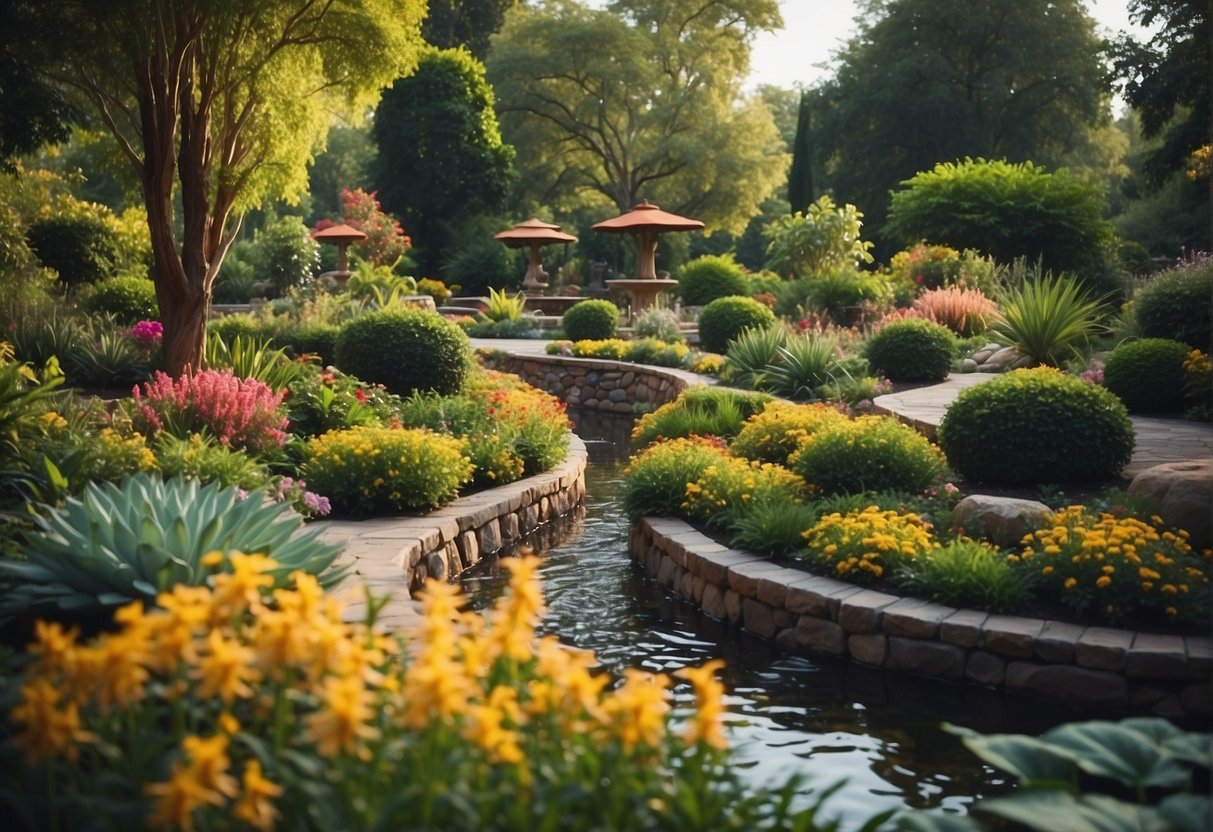
When planning a visit to Missouri’s botanical gardens, there are a few things to consider to ensure a smooth and enjoyable experience. Here are some tips for planning your visit.
Best Times to Visit
The best time to visit Missouri’s botanical gardens is in mid-April to early May when the flowers are in full bloom. However, visitors can enjoy the gardens year-round, as there are always different plants and flowers in bloom depending on the season. It’s recommended to check the garden’s website or call ahead to confirm the current bloom status.
Amenities and Accessibility
Missouri’s botanical gardens offer various amenities to make visitors’ experiences more comfortable and enjoyable. Most gardens have restrooms, water fountains, and picnic areas. Visitors with disabilities can also enjoy the gardens, as most have wheelchair-accessible paths, restrooms, and parking areas. It’s recommended to check the garden’s website or call ahead to confirm the accessibility status.
Nearby Attractions
Missouri’s botanical gardens are often located near other attractions, making them a great addition to any trip. For example, the Missouri Botanical Garden in St. Louis is near the Mississippi River and the Gateway Arch. The Ha Ha Tonka State Park in Camdenton, Missouri, is near the Lake of the Ozarks. Visitors can plan a full day of activities by visiting the botanical gardens and nearby attractions.
Overall, visitors to Missouri’s botanical gardens can enjoy a variety of flowers and plants year-round. It’s recommended to plan ahead, check the garden’s website, and confirm accessibility and amenities to ensure a smooth and enjoyable experience.
Historical and Cultural Significance
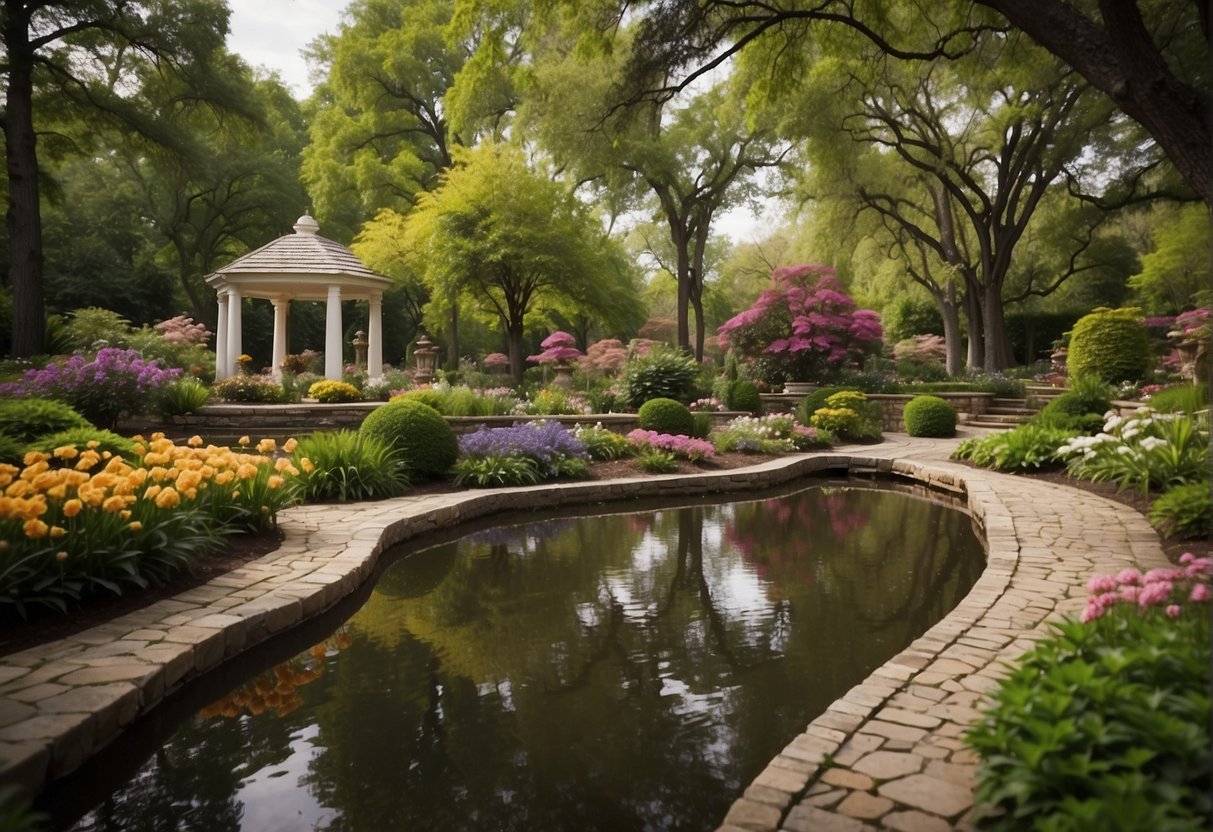
Gardens with a Past
Missouri is home to some of the most beautiful botanical gardens in the world. These gardens are not only a feast for the eyes but also have a rich historical and cultural significance. Tower Grove House, an elegant mansion located in the Missouri Botanical Garden, is a prime example of this.
The Tower Grove House was built in the mid-19th century by Henry Shaw, a wealthy businessman and philanthropist. The house is a masterpiece of Victorian architecture and has been restored to its former glory. Visitors can take a guided tour of the house and learn about its history and the life of Henry Shaw.
The Missouri Botanical Garden, where the Tower Grove House is located, is itself of great historical significance. Founded in 1859, it is one of the oldest botanical institutions in the United States. The Garden has played a vital role in the study and preservation of plant species, contributing significantly to the advancement of botany.
The Missouri Botanical Garden is also a center for education and public enjoyment. It offers a wide range of educational programs, including classes, workshops, and lectures, as well as a variety of events throughout the year. The Garden is a popular destination for tourists and locals alike, and is widely considered one of the top three botanical gardens in the world.
In conclusion, Missouri’s botanical gardens are not only a sight to behold but also have a rich historical and cultural significance. The Tower Grove House and the Missouri Botanical Garden are prime examples of this, and visitors are encouraged to explore and learn about their fascinating past.
Frequently Asked Questions
What special events can be experienced at Missouri Botanical Gardens during spring?
Missouri Botanical Gardens offers a range of special events during spring, including the Japanese Festival, which takes place over Labor Day weekend. The festival features traditional Japanese music, art, and food. Visitors can also enjoy the Garden Glow, a light display that illuminates the garden at night.
How can one obtain tickets to the Missouri Botanical Garden?
Tickets to the Missouri Botanical Garden can be purchased online through their website or in person at the garden’s entrance. Admission prices vary depending on the time of year and whether or not there are any special events taking place.
Are there any days with free admission to the Missouri Botanical Garden?
Yes, the Missouri Botanical Garden offers free admission on Wednesday and Saturday mornings from 7 a.m. to 9 a.m. during the months of March through October. However, visitors should note that some areas of the garden may be closed during these times.
What are the operating hours of the Missouri Botanical Garden?
The Missouri Botanical Garden is open daily from 9 a.m. to 5 p.m. During the summer months (Memorial Day through Labor Day), the garden is open until 8 p.m. on Wednesday and Thursday evenings.
What highlights make the Missouri Botanical Garden a must-see destination?
The Missouri Botanical Garden is a must-see destination due to its extensive collection of plants and gardens, which include the Climatron, a geodesic dome that houses a rainforest ecosystem, and the Japanese Garden, which features a traditional teahouse and a large koi pond. The garden also offers a variety of educational programs and events for visitors of all ages.
Is there a specific day when admission to the Missouri Botanical Garden is free?
As mentioned earlier, admission to the Missouri Botanical Garden is free on Wednesday and Saturday mornings from 7 a.m. to 9 a.m. during the months of March through October. Visitors should note that some areas of the garden may be closed during these times.