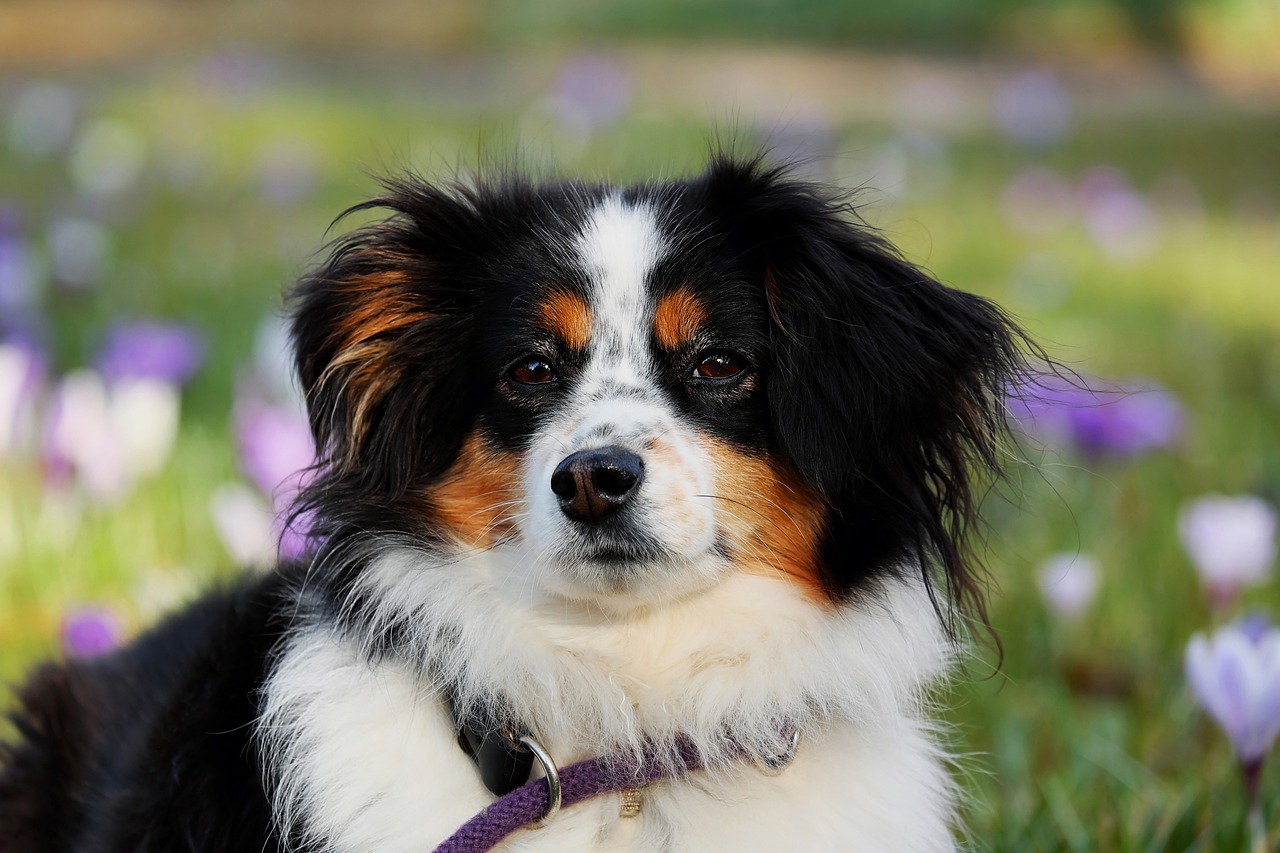
Herding Dogs: Are They Good Pets?
Herding dogs are known for their remarkable ability to control the movement of other animals. They have been bred for centuries to work on farms, and they excel at tasks such as rounding up sheep, cattle, and other livestock. But can herding dogs make good pets? The answer is yes, but it depends on several factors.
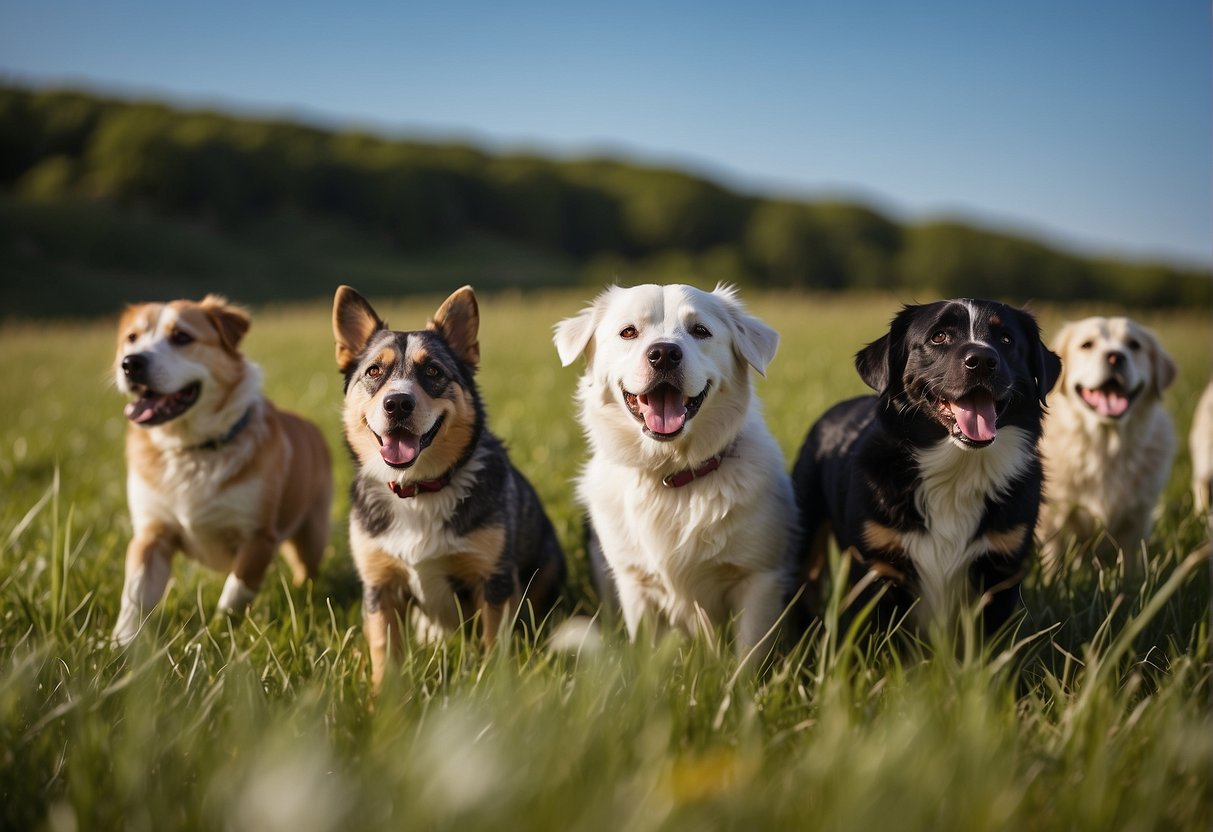
First, it’s important to consider the breed of herding dog. Not all herding dogs are the same, and some breeds may be better suited to living in a home environment than others. For example, Border Collies are highly intelligent and energetic, but they require a lot of exercise and mental stimulation to stay healthy and happy. On the other hand, Australian Shepherds are also very active but may be more adaptable to living in a smaller space.
Another factor to consider is the lifestyle of the owner. Herding dogs thrive on activity and need plenty of exercise and mental stimulation to stay healthy and happy. They may not be the best choice for someone who lives in an apartment or has a sedentary lifestyle. However, if the owner is willing to provide plenty of opportunities for exercise and mental stimulation, a herding dog can make a great pet.
Understanding Herding Breeds
Historical Significance
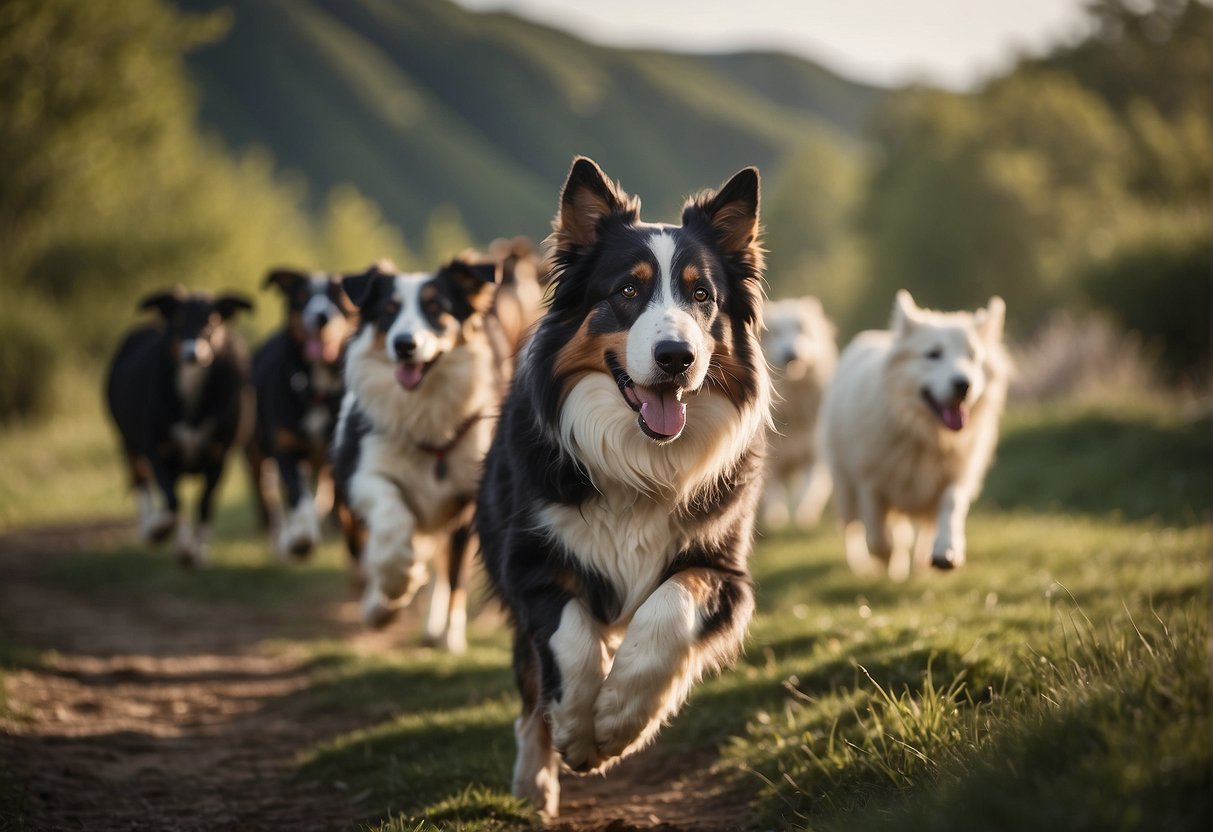
Herding dogs have been around for centuries and have played a vital role in the development of human civilization. Their primary purpose was to assist humans in managing and controlling herds of livestock. Herding breeds were selectively bred for their natural instincts, intelligence, and loyalty, which made them ideal for the job.
Defining Characteristics
Herding dogs are characterized by their innate ability to control the movement of livestock. They have a strong herding instinct, which drives them to gather, herd, and protect herd animals. They are intelligent, energetic, and athletic animals that need to be active. Herding breeds are highly trainable and respond well to positive reinforcement training methods. They are also known for their loyalty and devotion to their owners.
Common Herding Dog Breeds
There are several breeds of herding dogs, each with their unique characteristics and traits. Some of the most common herding dog breeds include:
- German Shepherd: A versatile breed that is known for its intelligence, loyalty, and protective nature.
- Australian Shepherd: A highly energetic breed that is known for its agility and trainability.
- Border Collie: A breed that is known for its intense work ethic, intelligence, and trainability.
- Collie: A breed that is known for its gentle nature, loyalty, and intelligence.
- Shetland Sheepdog: A breed that is known for its small size, intelligence, and trainability.
- Corgi: A breed that is known for its playful nature, intelligence, and trainability.
- Belgian Malinois: A breed that is known for its intelligence, loyalty, and protective nature.
- Old English Sheepdog: A breed that is known for its friendly nature, intelligence, and trainability.
These breeds are all part of the Herding Group, which is recognized by the American Kennel Club. They are all highly trainable and make excellent companions for those who are willing to put in the time and effort to meet their needs.
Benefits of Herding Dogs as Pets
Herding dogs can make great family pets due to their unique temperament, intelligence, and activity needs. In this section, we will explore some of the benefits of owning a herding dog as a pet.
Temperament and Personality
Herding dogs are known for their loyalty, affectionate nature, and friendly personalities. They are often very good with children and make excellent family pets. They are also very protective of their owners and can be trained to be excellent guard dogs.
Intelligence and Trainability
Herding dogs are highly intelligent and trainable. They are quick learners and respond well to positive reinforcement training methods. They are also very agile and excel in activities such as agility and obedience training.
Exercise and Activity Needs
Herding dogs are very active and require regular exercise to maintain their physical and mental health. They thrive in an active lifestyle and enjoy activities such as hiking, running, and playing fetch. It is important to provide them with plenty of opportunities to exercise and engage in physical activity to prevent boredom and destructive behavior.
Overall, herding dogs can make excellent pets for families who are willing to provide them with the exercise, training, and attention they require. Their unique temperament, intelligence, and activity needs make them a great choice for active families who are looking for a loyal and affectionate companion.
Herding Dogs in Action
Roles and Responsibilities
Herding dogs are known for their ability to control and move livestock such as sheep and cattle. They were bred for this specific job and have a natural instinct to perform it. These dogs are also protective and loyal, making them great companions for farmers and ranchers. In addition to herding livestock, some herding dogs are also used in law enforcement and as service dogs.
Herding Dogs in Sports and Work
Herding dogs are also popular in dog sports such as agility and obedience trials. They excel in these activities due to their high energy levels and intelligence. Some herding dogs also work in other jobs such as search and rescue and therapy work.
Training for Herding and Other Jobs
Proper training is essential for herding dogs to perform their job effectively. Obedience training is important to ensure that the dog is under control and can follow commands. For herding dogs, specialized training is required to teach them how to move and control livestock. This training should be done by a professional who has experience with herding dogs.
In conclusion, herding dogs are great pets for those who have a job for them to do and can provide them with the proper training and exercise they need. They are intelligent, loyal, and have a natural instinct to perform their job. Whether it’s herding livestock, working in law enforcement, or competing in dog sports, herding dogs are versatile and capable of performing a variety of tasks.
Choosing the Right Herding Dog for You
If you are considering a herding dog as a family pet, it’s important to evaluate your lifestyle and understand breed-specific needs before making a decision. Finding a responsible breeder is also crucial to ensure your new pet is healthy and well-adjusted. Here are some tips to help you choose the right herding dog for you.
Evaluating Your Lifestyle
Herding dogs are athletic and high-energy, so they need plenty of exercise and mental stimulation. They are not well-suited for apartment living and need a yard or access to a park or dog park where they can run and play. If you have a busy lifestyle and cannot provide the attention and socialization a herding dog needs, this may not be the right choice for you.
Understanding Breed-Specific Needs
Different breeds of herding dogs have different temperaments and needs. For example, Australian Shepherds are known for their intelligence and loyalty, but they can also be high-strung and require a lot of attention. Border Collies are highly trainable but need a lot of mental stimulation to prevent boredom. German Shepherds are loyal and protective but can be wary of strangers.
Finding a Responsible Breeder
When looking for a herding dog, it’s important to find a responsible breeder who breeds for health and temperament. A good breeder will provide health clearances for the parents and allow you to meet them and see where the puppies are raised. They will also be knowledgeable about the breed and provide support and guidance throughout the dog’s life.
By evaluating your lifestyle, understanding breed-specific needs, and finding a responsible breeder, you can choose the right herding dog for your family. With plenty of attention, socialization, and exercise, a herding dog can make a loyal and loving companion.
Caring for Your Herding Dog
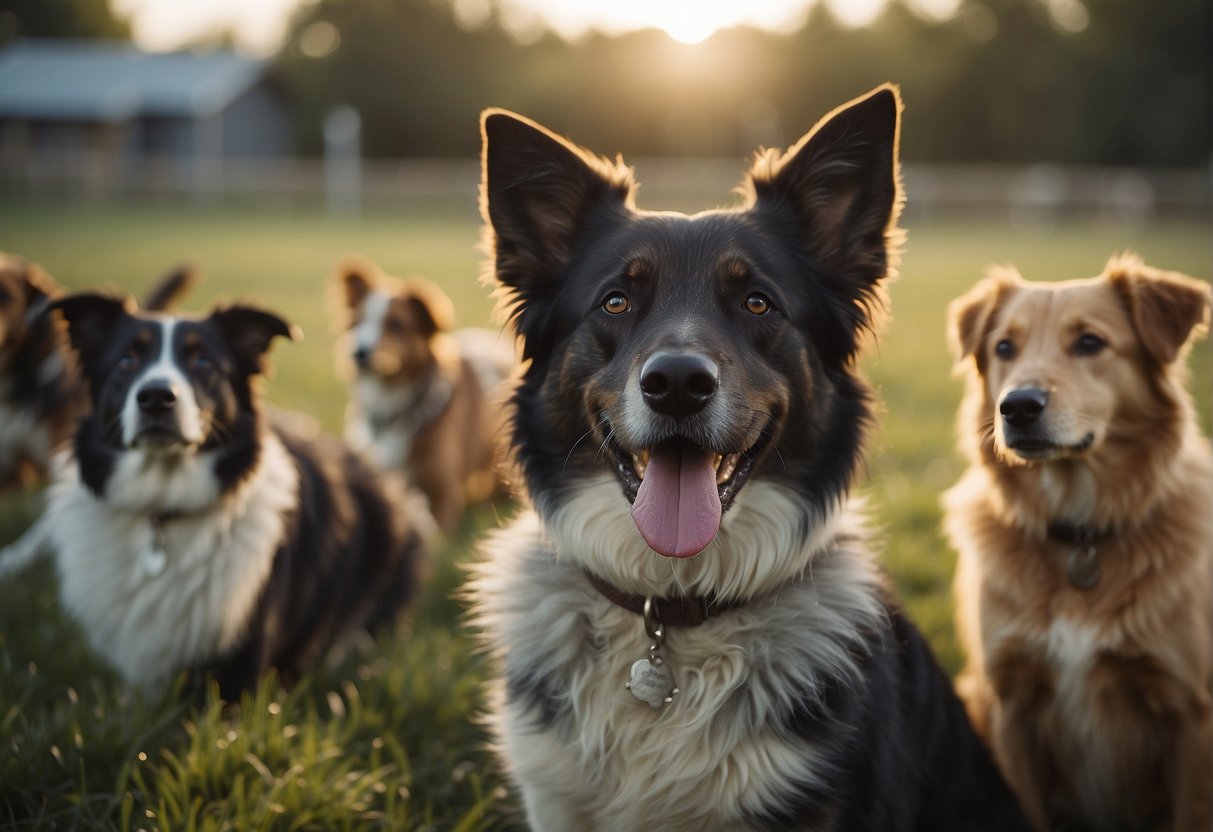
Herding dogs are intelligent, active, and loyal animals that require proper care to ensure a happy and healthy life. In this section, we will discuss some important aspects of caring for your herding dog, including health and nutrition, exercise and mental stimulation, and grooming and maintenance.
Health and Nutrition
Maintaining your herding dog’s health is crucial to their overall well-being. Herding dog breeds like Belgian Malinois, Collies, Corgis, and Shaggy dogs are generally healthy, but they may be prone to certain health issues such as hip dysplasia, epilepsy, and eye problems. Regular visits to the veterinarian can help prevent and manage these issues.
Nutrition is also an essential part of your herding dog’s health. A well-balanced diet that includes high-quality protein, healthy fats, and carbohydrates is necessary for their active lifestyle. It is recommended to feed your herding dog twice a day and avoid overfeeding to prevent obesity.
Exercise and Mental Stimulation
Herding dogs are bred to work, and they require plenty of exercise and mental stimulation to stay healthy and happy. Daily walks, runs, and playtime are essential to keep your herding dog physically fit. Training and agility exercises can also provide mental stimulation and prevent boredom.
Attention and socialization are also important for herding dogs. They thrive on human interaction and need to be included in family activities. Socializing your herding dog with other dogs and people can help prevent behavioral issues such as aggression and anxiety.
Grooming and Maintenance
Herding dogs have thick coats that require regular grooming to prevent matting and tangling. Brushing your herding dog’s coat two to three times a week is recommended to keep it clean and healthy. Bathing should be done only when necessary to avoid drying out their skin.
Other maintenance tasks include nail trimming, teeth brushing, and ear cleaning. Regular checkups with the veterinarian can also help prevent and manage any health issues that may arise.
In conclusion, caring for your herding dog requires attention, training, and proper nutrition. Providing them with plenty of exercise and mental stimulation, along with regular grooming and maintenance, can help ensure a happy and healthy life for your furry friend.
Behavioral Traits and Management
Understanding Herding Instincts
Herding dogs are known for their strong instincts to herd and control other animals. This instinct is deeply ingrained in their DNA and has been selectively bred for over centuries. As a result, herding dogs can display a range of behaviors such as nipping, barking, and circling. These behaviors are not necessarily aggressive, but rather a way for the dog to control and move the herd.
It is important for owners of herding dogs to understand and manage these instincts. Herding dogs need to have an outlet for their energy and instincts. This can be achieved through regular exercise, training, and positive reinforcement. It is also important to provide them with mental stimulation, such as puzzle toys or agility training, to keep their minds active.
Addressing Common Behavioral Issues
Herding dogs can display a range of behavioral issues if their instincts are not properly managed. These issues can include excessive barking, nipping, and herding humans or other animals. It is important to address these issues early on to prevent them from becoming more serious.
One way to address these issues is through positive reinforcement training techniques. Positive reinforcement involves rewarding good behavior with treats or praise, rather than punishing bad behavior. This approach can help to reinforce good behavior and discourage bad behavior.
It is also important to provide herding dogs with plenty of exercise and mental stimulation. This can help to reduce their energy levels and prevent them from becoming bored or destructive. Owners should also provide their dogs with a safe and secure environment, such as a fenced yard or kennel, to prevent them from wandering off or getting into trouble.
Positive Reinforcement Training Techniques
Positive reinforcement training techniques can be effective in managing the instincts and behaviors of herding dogs. These techniques involve rewarding good behavior, such as following commands or displaying calm behavior, with treats or praise. This approach can help to reinforce good behavior and discourage bad behavior.
One effective technique is clicker training, which involves using a clicker to signal to the dog when they have done something right. This can be followed by a treat or praise to reinforce the good behavior. Another technique is shaping, which involves breaking down a behavior into smaller steps and rewarding the dog for each step they complete.
Overall, managing the instincts and behaviors of herding dogs requires a combination of exercise, mental stimulation, and positive reinforcement training techniques. With proper management, herding dogs can make loyal, intelligent, and sensitive pets.
Herding Dogs and Community
Herding Dogs as Service and Therapy Animals
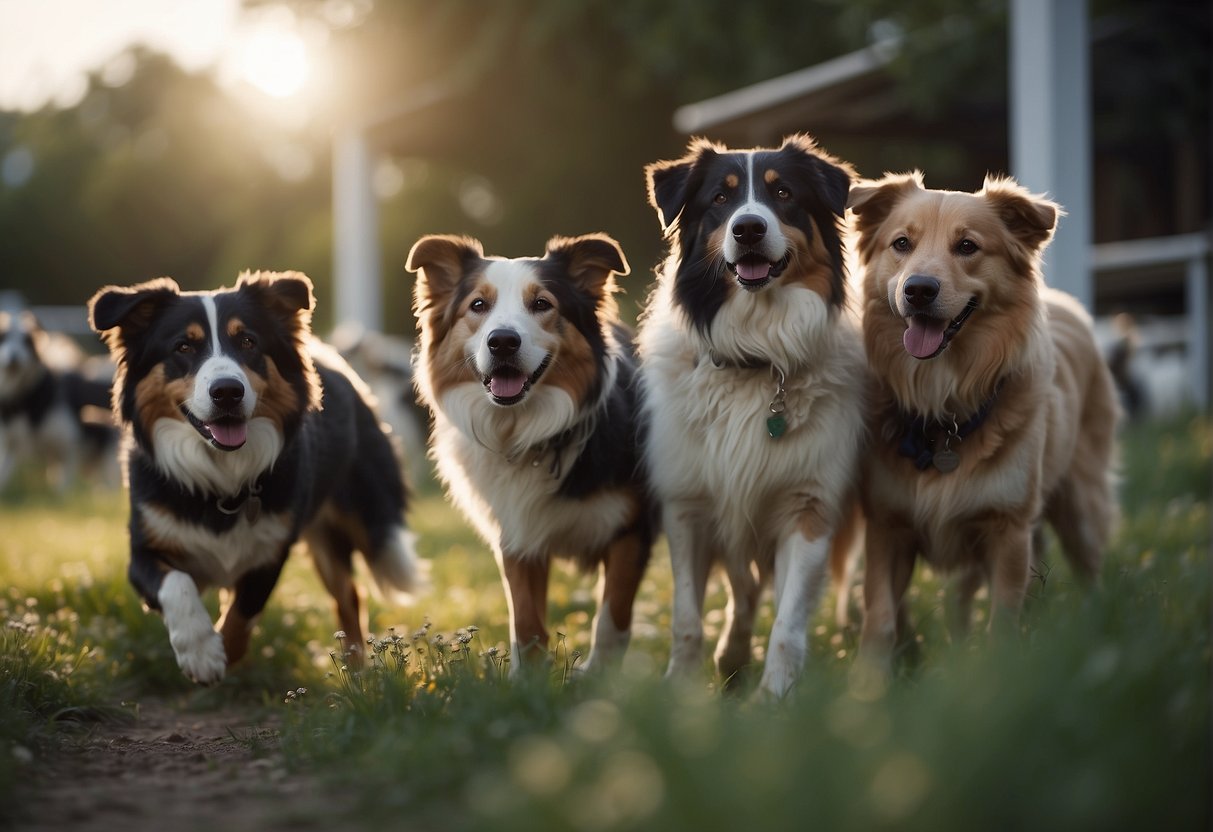
Herding dogs are often used as service and therapy animals due to their high intelligence and trainability. They excel in tasks such as guiding the visually impaired, assisting individuals with mobility issues, and providing emotional support. German Shepherds, Border Collies, and Australian Shepherds are among the most commonly used herding breeds for service and therapy work.
Clubs and Organizations for Herding Breeds
There are numerous clubs and organizations dedicated to the promotion and preservation of herding breeds. The American Kennel Club (AKC) recognizes several herding breeds, including the Australian Cattle Dog, Australian Shepherd, Bearded Collie, Belgian Malinois, Border Collie, Briard, Canaan Dog, Cardigan Welsh Corgi, Collie, German Shepherd Dog, Old English Sheepdog, Pembroke Welsh Corgi, Polish Lowland Sheepdog, Puli, Shetland Sheepdog, and Swedish Vallhund. These organizations provide resources for owners, breeders, and enthusiasts, including information on breed standards, health concerns, and training tips.
Events and Competitions
Herding dog events and competitions are popular among enthusiasts and provide an opportunity to showcase the unique skills and abilities of these breeds. The AKC offers herding trials, which test a dog’s ability to herd livestock, as well as other events such as agility and obedience competitions. There are also specialized events for specific breeds, such as the Border Collie Classic and the Australian Cattle Dog National Specialty. These events provide an opportunity for owners and breeders to network, share knowledge, and celebrate the unique qualities of their herding dogs.
Overall, herding dogs have a strong presence in the community, serving as service animals, participating in events and competitions, and being celebrated by clubs and organizations. Their intelligence, trainability, and unique skills make them valuable members of society and beloved pets for many.
Frequently Asked Questions
Which herbs are considered safe for both cats and dogs?
Some herbs that are considered safe for both cats and dogs include chamomile, echinacea, and milk thistle. These herbs can help boost the immune system, reduce inflammation, and promote liver health. However, it is always important to consult with a veterinarian before giving any herbs to your pets, as some may have adverse effects.
What are the top breeds of livestock guardian dogs suitable for small farms?
The top breeds of livestock guardian dogs suitable for small farms include the Great Pyrenees, Anatolian Shepherd, and Maremma Sheepdog. These breeds are known for their loyalty, protectiveness, and ability to guard livestock against predators.
How can certain herbs benefit a dog’s skin health?
Certain herbs such as calendula, chamomile, and lavender can benefit a dog’s skin health by reducing inflammation, promoting healing, and soothing irritated skin. These herbs can be used in the form of a topical ointment or added to the dog’s food.
Which dog breeds excel in hot climates while guarding livestock?
Dog breeds that excel in hot climates while guarding livestock include the Anatolian Shepherd, Kangal, and Akbash. These breeds have adapted to hot climates and are able to withstand high temperatures while still performing their duties as livestock guardians.
What are the easiest dog breeds to train for herding purposes?
The easiest dog breeds to train for herding purposes include the Border Collie, Australian Cattle Dog, and Australian Shepherd. These breeds are known for their intelligence, trainability, and natural herding instincts.
Are there any herbs known to aid in a dog’s digestive health?
Yes, there are several herbs that are known to aid in a dog’s digestive health, including ginger, peppermint, and fennel. These herbs can help reduce inflammation, soothe the digestive tract, and promote healthy digestion. However, it is always important to consult with a veterinarian before giving any herbs to your pets.